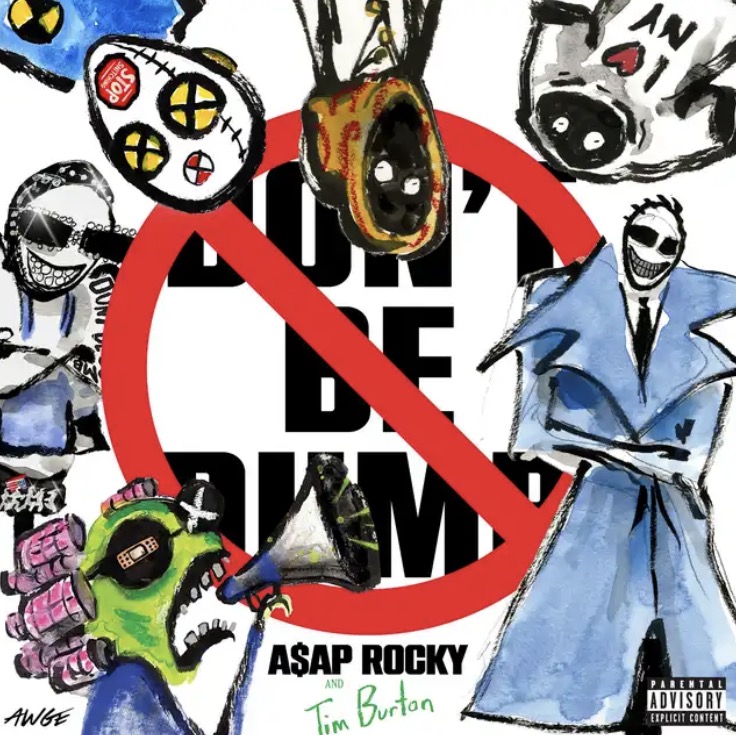
The album cover for “Don’t Be Dumb.” | Photo from Spotify
Jan. 28, 2026 | Isaac Garcia | Sports Editor
After a nearly eight-year wait, which saw him go through highs and lows, including a dramatic arrest in Sweden, starting a family with Rihanna and being found not guilty on felony assault charges that accused him of assaulting his childhood friend and business partner A$AP Relli with a firearm, A$AP Rocky has finally released his new album, “Don’t Be Dumb.”
The lead singles for the project, “PUNK ROCKY” and “HELICOPTER,” couldn’t sound more different from each other. “PUNK ROCKY” is a more laid-back and smooth song which, as the title suggests, has heavy punk rock influences. Meanwhile, “HELICOPTER” has an aggressive, almost industrial type of sound.
The feature list is stacked with big names, including Tyler, The Creator, Brent Faiyaz and Gorillaz. However, in my opinion, it’s the slightly lesser-known Sauce Walka who has the most interesting feature on the album on the song “STOP SNITCHING,” where he floats over an ominous instrumental. I was also pleasantly surprised by will.i.am’s contributions on the song “THE END,” where he does an incredible job of capturing the dark, apocalyptic vibe of the production, giving a verse that sets Rocky up perfectly for the remainder of the track. Doechii trades verses with Rocky on what was probably the most out-of-left-field sounding song on the entire album, titled “ROBBERY”. While the beat is slightly off-putting for me, I think it works relatively well, and Doechii and Rocky match each other’s energy. Doechii really feels like the perfect fit for the strange beat thanks to her ability to pull off unique flows.
My personal favorite performances from Rocky himself come on the songs “PLAYA”, “NO TRESSPASSING” and the title track, “DON’T BE DUMB/TRIP BABY.” The Thundercat and Cardo Got Wings production on “PLAYA” reminds me of some of the beats that the hip-hop and rock group N.E.R.D. made popular in the 2000s. It has such a smooth bounce to it, and Rocky approaches it with a catchy melody, while rapping about the fulfillment of settling down and building a life with one person. “NO TRESSPASSING” has an intro that sounds like a smoke-filled room with Rocky looking back on his early career. The song then shifts into an energetic West Coast beat with an attention-grabbing synth. Once again, Rocky showcases his ability to attack a beat at an elite level, which makes the song hard not to love. “DON’T BE DUMB/TRIP BABY” samples Clairo’s song “Sinking” and probably has the best lyrical performance on the entire album, with Rocky focusing on themes of love and personal growth. The first half of the production is spacey before switching to a more uptempo beat, sticking to similar themes.
Overall, it’s a really enjoyable project with a few minor flaws. There are a few things I’d have liked to see explored a bit more, such as the intro on “NO TRESSPASSING,” and I wish we’d seen the kind of lyrical performance Rocky had on “DON’T BE DUMB/TRIP BABY” more prominently throughout the album. As mentioned, Rocky had a lot to discuss, and it feels like he didn’t dive as deep as he could have. The production, as amazing as it is, still doesn’t hit the highs that it did on his past projects, although that may just be a testament to how great that production was more than anything else.
With that being said, I’m just glad it finally came out.
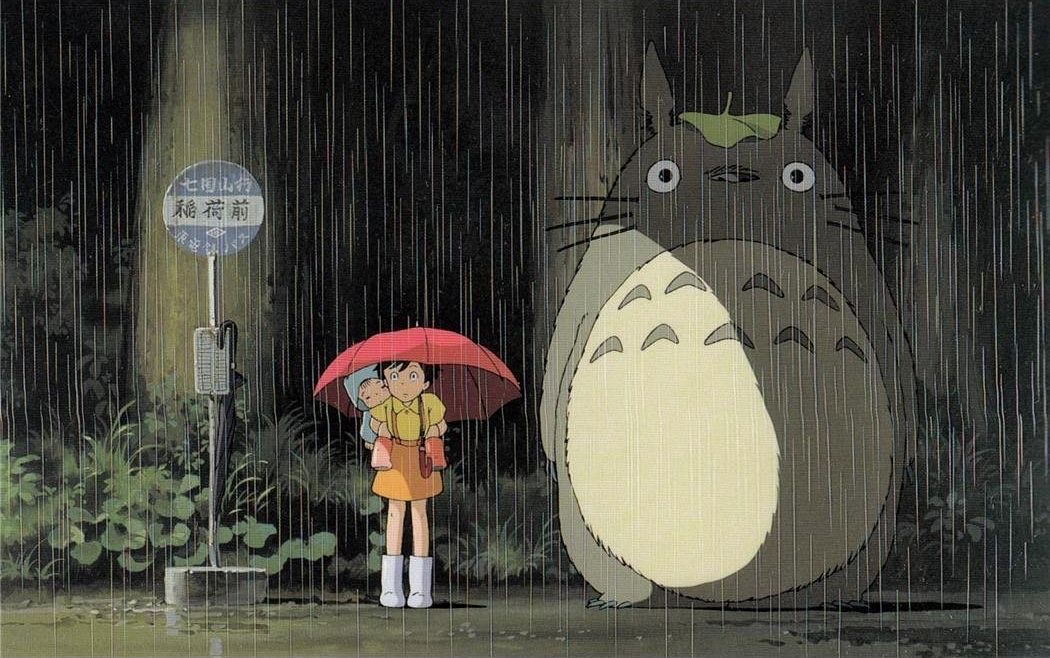
A still from Studio Ghibli’s film “My Neighbor Totoro.” | Photo from @ghibliusa on Instagram
Jan. 28, 2026 | Jaylin Emond-Hardin | Entertainment Editor
It’s late winter. The excitement for the holidays has come and gone, and there’s limited sunshine to keep the doom and gloom away. My favorite thing to do to shake the frost? Watch some of the coziest movies out there with a blanket and a mug of tea.
“Pride and Prejudice” — Based on the Jane Austen novel of the same name, “Pride and Prejudice” follows Lizzie Bennet and her sister Jane in the English countryside during the Regency era. With a piano-led score and warm ambience, “Pride and Prejudice” perfectly encapsulates longing, restraint and a slow-burning romance, while also bringing to mind a warm summer or spring day. “Pride and Prejudice” is streaming on Apple TV and Prime Video for $3.99.
“My Neighbor Totoro” —One of Hayao Miyazaki’s most popular films, “My Neighbor Totoro” follows Satsuki and Mei when they move to the countryside while their mother is in the hospital. As they explore their new home, they discover forest spirits, including the fluffy, cat-like Totoro. This movie is cozy because there’s no big villain; it’s just two sisters exploring their home and enjoying the small moments. The film is slow-paced, and nothing is rushed, with sunlit fields and dust floating in the air. Nature becomes a soft place to rest, and the magical creatures are gentle forest spirits — especially Totoro, who is more like a giant stuffed animal. “My Neighbor Totoro” is streaming on HBO Max, along with other Studio Ghibli movies.
“The Lord of the Rings” —Adapted from J.R.R. Tolkien’s trilogy, “The Lord of the Rings” follows Frodo Baggins as he sets off to destroy the One Ring. The films are drenched in a palette of antique light — soft golds, mossy greens and pale silvery-blues — with a sweeping soundtrack by Howard Shore, filled with string instruments and haunting vocals. The films themselves are about how even the smallest person can change the world and focus on the small in the wake of the huge. After all, Samwise Gamgee says it best in “The Return of the King”: “Do you remember the Shire, Mr. Frodo? It’ll be spring soon, and the orchards will be in blossom. And the birds will be nesting in the hazel thicket. And they’ll be sowing the summer barley in the lower fields. And they’ll be eating the first of the strawberries with cream. Do you remember the taste of strawberries?” All three movies in “The Lord of the Rings” trilogy — both theatrical and extended editions — are streaming on HBO Max and Prime Video.
“Hook” —A modern retelling of “Peter Pan,” this film answers the question “What if Peter Pan grew up?” The whole movie feels like a fairytale, wrapped in pure ‘90s and childhood nostalgia. With Robin Williams as Peter Pan, Dustin Hoffman as Captain Hook and Julia Roberts as Tinkerbell, “Hook” is full of familiar faces. The design is storybook-soft with glowing pixie dust, flying pirate ships and colorful sets, creating the feeling of stepping into a stage play. Besides, at its core, “Hook” isn’t just about fighting pirates and magic. It’s about believing in oneself, rediscovering the sense of childhood wonder and reconnecting with those closest. “Hook” is streaming on Apple TV and Prime Video for $3.99.
Content warning: this article contains spoilers for “Sunrise on the Reaping” and descriptions of gore
Reading “Sunrise on the Reaping” was definitely a rollercoaster. Suzanne Collins’ new novel, which released last March, is a prequel to the original trilogy, taking place during the 50th Hunger Games and telling the story of a young Haymitch Abernathy — a character many fans, including myself, love.
The novel opens with descriptions of Haymitch and his family living in District 12. We learn that his family is not well off — something that is pretty typical for those who live in District 12 — and that he often sneaks off with his girlfriend, Lenore Dove, to escape the realities of his life. On reaping day, it is announced that twice as many tributes will be reaped to celebrate the 50th Hunger Games, or Second Quarter Quell. Surprisingly, Haymitch isn’t originally reaped, but when chaos ensues, he steps between Peacekeepers to protect Lenore Dove, causing him to be chosen as the replacement for the dead tribute.
Because District 12 had no previously known Victors, random mentors were assigned to Haymitch and the other tributes from his district. Through this, we’re introduced to a younger Wiress and Mags, characters from “Catching Fire,” the second book in the original trilogy. During training, we also learn about Beetee — another character in “Catching Fire,” and his young son Ampert, who was reaped.
Because of his acts of rebellion against the Capitol, Haymitch is given a score of one — the worst possible score — by the Gamemakers. This doesn’t go the way they intended, though, because Haymitch is soon labeled and marketed as a “rascal” and gains popularity for his personality in the Capitol.
Beetee eventually enlists Haymitch in a plan to rebel against the Capitol and the Games. While in the arena, Haymitch is meant to light explosives planted in the underground water system to prevent the Gamemakers from controlling the arena. While this plan ultimately fails, Haymitch still angers President Snow and is marked for punishment due to his contributions to the rebellion.
Haymitch eventually wins the Games by leading the last tribute to the edge of the arena, which he learns is protected by a force field. The final tribute throws her axe at Haymitch, who then ducks, causing the axe to rebound off the force field and kill the tribute.
While Haymitch does survive the Games, did he actually win? Like he says in “Catching Fire,” “Nobody ever wins the Games. Period. There are survivors…there’s no winners.” He eventually returns home, where he finds his house burnt down and his family dead; he then finds Lenore Dove, who found gumdrops she thought were from him, but were actually poisoned, which leads to her death. While it isn’t proven, Haymitch, along with many readers, is convinced that President Snow is responsible for these tragedies.
In the end, Haymitch slowly becomes the Haymitch we know in the original series, as he develops an alcohol addiction and isolates himself to cope with all of his losses and memories of the Games.
I feel like many “Hunger Games” fans can agree that “Sunrise on the Reaping” was both the most chilling and most devastating book so far in the series. I know one scene that really hit me hard was when Ampert died in the arena. Ampert was not only 12 years old when he was sent into the Games, but was reaped on purpose as a punishment for his father Beetee plotting rebellion acts against the Capitol. In the arena, Ampert helped Haymitch sabotage the water tanks below and was punished by the Gamemakers for doing so. Mutated squirrels — which felt very similar to the mutts in the first “Hunger Games” — were programmed to only attack Ampert and were sent into the arena. Haymitch tried to save him, but the squirrels attacked Ampert to his death, and the book even goes on to say that only his pearly white skeleton remained. This was arguably the most gruesome scene in the entire series, and I’m curious to see how it will play out in the upcoming movie adaptation.
I also really loved how “Sunrise on the Reaping” brought so many callbacks from the other books in the series. As mentioned, many characters from “Catching Fire” returned, but we also got more information about the Coveys. In “The Ballad of Songbirds and Snakes,” we met Lucy Gray, the first-ever victor from District 12. She won the 10th Hunger Games and was a part of the first-ever tribute group to get mentors. The mentor assigned to her was Coriolanus Snow, who later becomes the President Snow everyone knows in the main trilogy. Lucy Gray and Snow were very close at first, and even had a romantic connection, but Snow’s narcissistic and tyrannical tendencies won out. After Lucy Gray wins the Games, Snow is sent to District 12 as a Peacekeeper as punishment for helping her win. He eventually finds her again, and they plan to run off together. Upon leaving for the woods, Lucy Gray realizes she can’t trust Snow after learning he’s killed multiple people, and runs off. Snow, seemingly going mad, grabs a gun and shoots wildly into the forest at the mockingjays and everything else. The book ends, leaving readers in the dark on whether Lucy Gray survived or not, with many believing that Snow killed her.
In “Sunrise on the Reaping,” we find out that Lenore Dove is related to Lucy Gray and that she is part of the Covey tradition, a traveling band, which was carried on. While Lenore Dove never talks about Lucy Gray, Haymitch knows there was one other District 12 victor, but, like everyone else, knows nothing about them. He watches the past tapes of the Games in hopes of discovering more, but finds that there is nothing about the 10th Hunger Games, when Lucy Gray won. Later on, he finds a tape that President Snow gave him showing Lucy Gray singing, and he realizes that this is Lucy Gray, the 10th victor, and that Snow intentionally erased her history.
Many fans of “The Hunger Games” know that Collins only writes a new book when she has something to say about the world we’re living in. I believe that “Sunrise on the Reaping” is meant to mirror the current state of our world, and she uses the novel to take a rebellious stand like many of the characters. Many aspects that contribute to this include Ampert being reaped to punish Beetee for rebelling, Haymitch being reaped because he interfered with Peacekeepers, Haymitch carrying Louella’s dead body to Snow and laying it before him, the Games being heavily edited to erase any signs of rebellion and seeing the videos of Lucy Gray knowing that all of her history was erased. Not to mention the reaping every year takes place on July 4. As Katniss says, though, “Fire is catching! And if we burn, you burn with us.”
Photo from @italian.brainrot.oficial on Instagram | The AI-generated image of Lirila Larila.
Jan. 21 2026 | Jaylin Emond-Hardin | Entertainment Editor
Brain rot has changed a whole dang lot since Generation Z was in elementary and middle school. Once, we had CGI-animated videos of frogs riding invisible motorcycles and dancing gummy bears. We had unicorns talking about magical Liopleurodons who wanted their friend Charlie to go to the candy mountain. Hell, we even had a song about liking trains and a talking muffin.
Generation Alpha’s brain rot? Well, it almost, quite literally, rots their brain.
Between AI-generated creatures with Italian names and Skibidi Toilet, I fear for Gen Alpha’s future. In the education clinical program, I see this literal brain rotting firsthand with my fourth and fifth-graders.
When comparing the brain rot trends of the two different generations, there’s a distinct difference. Gen Z typically has longer videos with more simplistic design elements — Charlie the Unicorn and asdfmovies fit within this — that keep the attention for longer. They have quick punchlines that are utterly ridiculous, which they use to keep viewers engaged with the content.
Meanwhile, Gen Alpha’s brain rot is, well, concerning is a gentle word I’d use for it. A smiling head coming out of a toilet singing “skibidi-bop-bop.” An AI-generated image of a ballerina with a cappuccino for a head, named “Ballerina Capuchina.” They’re attention-grabbing and short, meant to keep viewers scrolling through the videos for hours.
This difference — longer videos versus shorter videos — affects the midbrain, which is the center that creates dopamine, and deals with gratification and rewards. When someone watches a short video, their dopamine levels spike with instant gratification. The center lights up again when they scroll to the next video. It’s the same science with Instagram Reels, TikToks and YouTube Shorts.
This instant gratification affects a developing brain much differently than an already-developed brain. Many adults can easily make a change to fix their attention span and how quickly their brain receives this dopamine.
In children? This can be catastrophic. They crave the instant reward that their brain gives them when they scroll to another video, which affects their attention span. An affected attention span means they are less likely to focus on activities that do not provide an immediate reward — for example, when their teacher is trying to teach them a lesson — and they tend to seek similar stimuli. Eventually, this continuous exposure will lead to hindered cognitive development and limited critical thinking and problem-solving abilities. Children will be conditioned to absorb information quickly but superficially.
There is hope for Gen Alpha’s future however. Teachers are actively trying to limit daily exposure to technology. Parents are seeing the consequences of technology on developing brains. It’s not much, but it’s a start. One that will continue to change the course of these children’s lives.
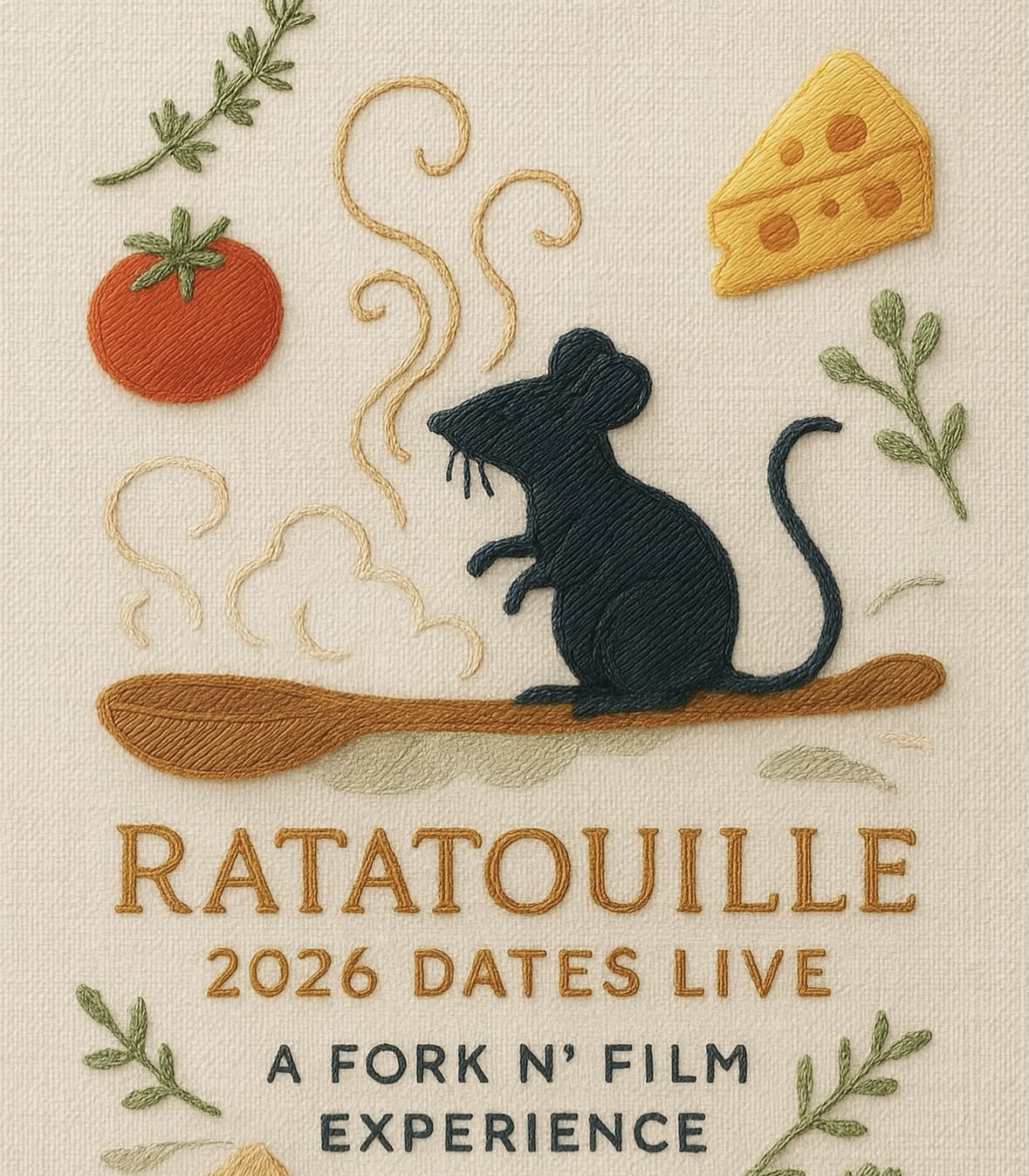
The promotional poster for Fork ‘n Film’s 2026 “Ratatouille” dates. | Photo from @forknfilm on Instagram
Jan. 21 2026 | Jaylin Emond-Hardin | Entertainment Editor
I keep seeing Reels about influencers going to restaurants that serve them meals themed to a specific movie they’re watching and all I can say is: I want to go.
The first one I saw was themed to “Ratatouille.” A seven-course meal, all with dishes that are either in the movie or inspired by it. Which, genuinely, sounds divine. I mean, come on, ratatouille? The dish itself is delicious, but eating it while watching “Ratatouille”? That is a dream come true for me. I fear it’s my favorite Pixar movie.
Fork ‘n Film, an interactive dining experience that focuses specifically on Disney-owned films, was founded in 2023 by Francesca Duncan and Nick Houston in Los Angeles, California. After watching “Matilda,” the pair were inspired by the scene where Bruce Bogtrotter eats an entire chocolate cake in front of the school.
“I thought, ‘I’m really hungry. I wish I could try that,’” Duncan recalled in an interview. “How cool would it be to put on an event where people are able to eat what they see on screen?”
In 2023, the Los Angeles social scene was still recovering from the coronavirus quarantine, and came up with the idea as something for people their age to do. After running a trial event on the roof of their apartment building, themed to “Harry Potter and the Sorcerer’s Stone,” Duncan and Houston realized they had an idea that people wanted to attend and ran with it.
In less than two years, the pair was hosting 180 events monthly across their eight US locations and generated over $11 million in revenue. What started as a pop-up event quickly became a million-dollar idea.
In December 2024, Portland’s Fork ‘n Film location hosted its first event at the Kimpton Hotel Vintage. Since then, the events have been almost sold out every single weekend.
While tickets can be pricey — ranging from $99.99 for general admission to $199.99 for premium seats — the event offers a full immersion experience. As event-goers watch the movie, servers will bring various meals either explicitly from the movie or inspired by it.
In February, Portland’s Fork ‘n Film will be hosting a “Lady and the Tramp” weekend Feb. 13-15 and a “Princess and the Frog” weekend Feb. 20 and 21.
And the “Ratatouille” themed dinner? Well, it is always their event with the most tickets sold — once completely sold out in 0.8 seconds — and will be coming to Portland for two nights only: March 27 and 28. Better get those tickets fast.
I love cozy games. Cozy games are known for being the types of games that are designed to be relaxing and non-combative. They are designed to be brightly colored with activities that range from organization to puzzle solving to decoration. Some can have combat, though it is typically simplistic. However, I believe that the main purpose of this genre is falling in love with the game’s world, having the player express themselves in their own unique way with customization and learning about the colorful characters these games have to offer. Games such as “Animal Crossing,” “Stardew Valley,” “Slime Rancher” and “Unpacking” are all very well known for being enjoyable, cozy games.
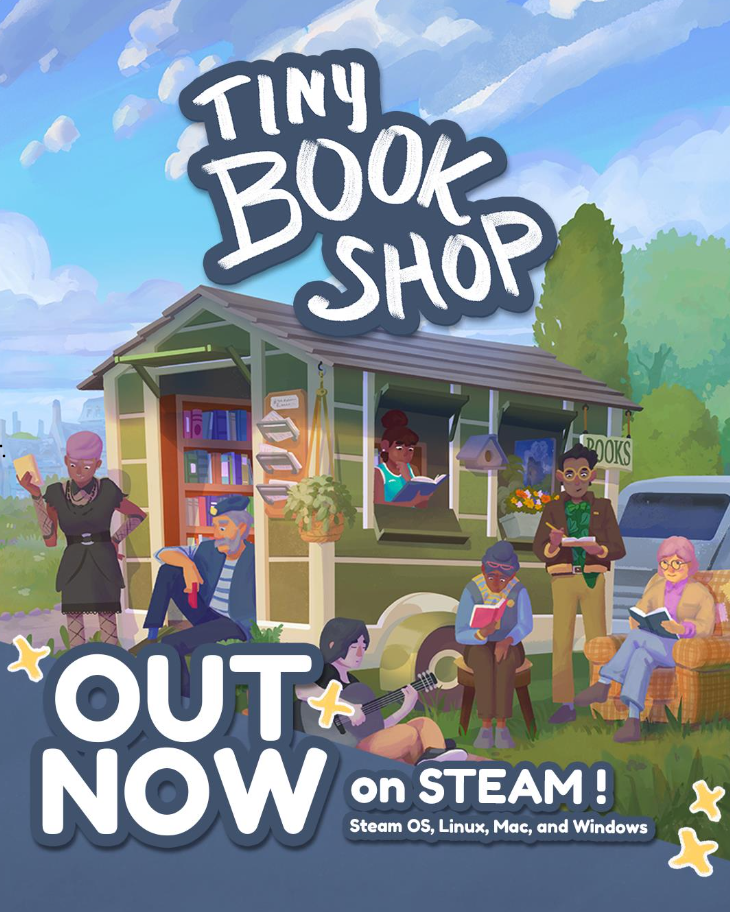
One game that deserves much more attention is a little game called “Tiny Bookshop.” Released in 2025 and developed by Neoludic Games, “Tiny Bookshop” is a game where the player leaves their old life behind to move to a coastal town known as Bookstonbury to run a traveling second-hand bookshop. After playing the demo and quickly falling in love with the game, I bought the full version and spent most of winter break playing through the game, even completing the main story.
Gameplay —The game consists of the player moving around various locations to sell books. The player will start out with only one shelf that holds a certain number of books, and it is their job to stock the shelves. The books are color-coded, with each color being a different genre. Different locations will prioritize different types of literature, so it’s important to keep that in mind. Once on location, the player opens the shop, and customers will come inside to browse the selection. When recommendation requests pop up, the player gets the opportunity to look at the books stocked on the shelf. Each book will have the title, author and a brief description of the story. The customer will tell the player what kind of book they are looking for, and it’s the player’s job to find the closest book possible to that description. If successful, more customers will come in and buy more of the stock. If the interaction fails, nothing really happens aside from the customer leaving immediately.
Customization —For anyone who really enjoys customization, “Tiny Bookshop” has incredible options for making the bookshop ideal for each player. The shop is able to be painted in various colors from the start, with more available for purchase later on in the game. Some of the decorations that are bought can also be painted in custom colors, such as the bookshelves. There are many different types of furniture available to buy with the in-game currency the player receives from selling books. Certain items can be gained from the characters in the town as they are befriended, with most of the items having boosts for certain genres of books, as well as some types of customers. For example, during the fish market, the player will receive a major boost in sailor customers if their shop is decorated with beach or sea decor. If it isn’t, the customers will avoid the bookshop due to the player’s “lack of taste.” There is also a coffee machine that increases the number of customers on rainy days. It also generates more revenue, so I strongly recommend getting it.
Lovable characters —The first character we meet is Tilde, who is the retired bookshop owner of Bookstonbury. She teaches the player the ropes of running the shop at the beginning of the game and is very well known throughout the town as a gentle woman with a big heart.
Shortly after meeting her, we meet Fern, who is the town journalist. They are a bit shy and awkward around the player, but they quickly warm up and even ask for their help at times.
Walt is next, known as the town’s retired sailor who is generally more reserved but kind. He’s incredibly antagonistic toward the cruise ship that will occasionally visit the town. Once the player’s friendship increases with him, he will be able to invite them to the fishing market that happens on certain days of the month.
Maryam is next and, quite honestly, I didn’t like her as much at first. She’s the owner of a cafe and a very straightforward, no-nonsense character who will voice her opinion in a rather blunt way. However, as the player gets to know her and sees the relationship she has with Tilde, there is a soft spot to her harsh exterior.
Moira is Maryam’s niece. She’s a very nonchalant character who, similar to her aunt, is a bit stubborn. She and her aunt can fight at times, but both of them think very highly of the other. She’s a goth queen who is into the supernatural and enjoys a good horror book. She also has a rock band where she plays guitar.
Harper is a child who comes frequently to the bookshop. She is a very smart kid and incredibly persuasive. This child was capable of convincing other children to construct a massive sand castle on the beach that was multi-leveled and needed a construction crew, while having the player fund it all. Harper has quite the leadership skills.
Klaus is a character who works at the Méga Marché, which is basically this town’s version of a cheap supermarket. He is also part of Moira’s band, playing guitar and being a singer, as well as Harper’s uncle.
Anne is a university student who enjoys plants and will often sell them at the flea market. She is immediately very sweet toward the player and gives them a lot of plants. Anne enjoys romance and fantasy while completely hating nonfiction books, so I like to think she is basically me.
Overall, “Tiny Bookshop” has had me in a chokehold since I bought it. With its engaging gameplay, expansive customization and compelling characters, there was so much that made me want to keep coming back to play it so many times. The artstyle is also very appealing, giving a sort of cartoon comic vibe while the music is relaxing. I strongly recommend this game to anyone who considers themselves a connoisseur of cozy games. It’s available on Steam and on the Nintendo Switch.
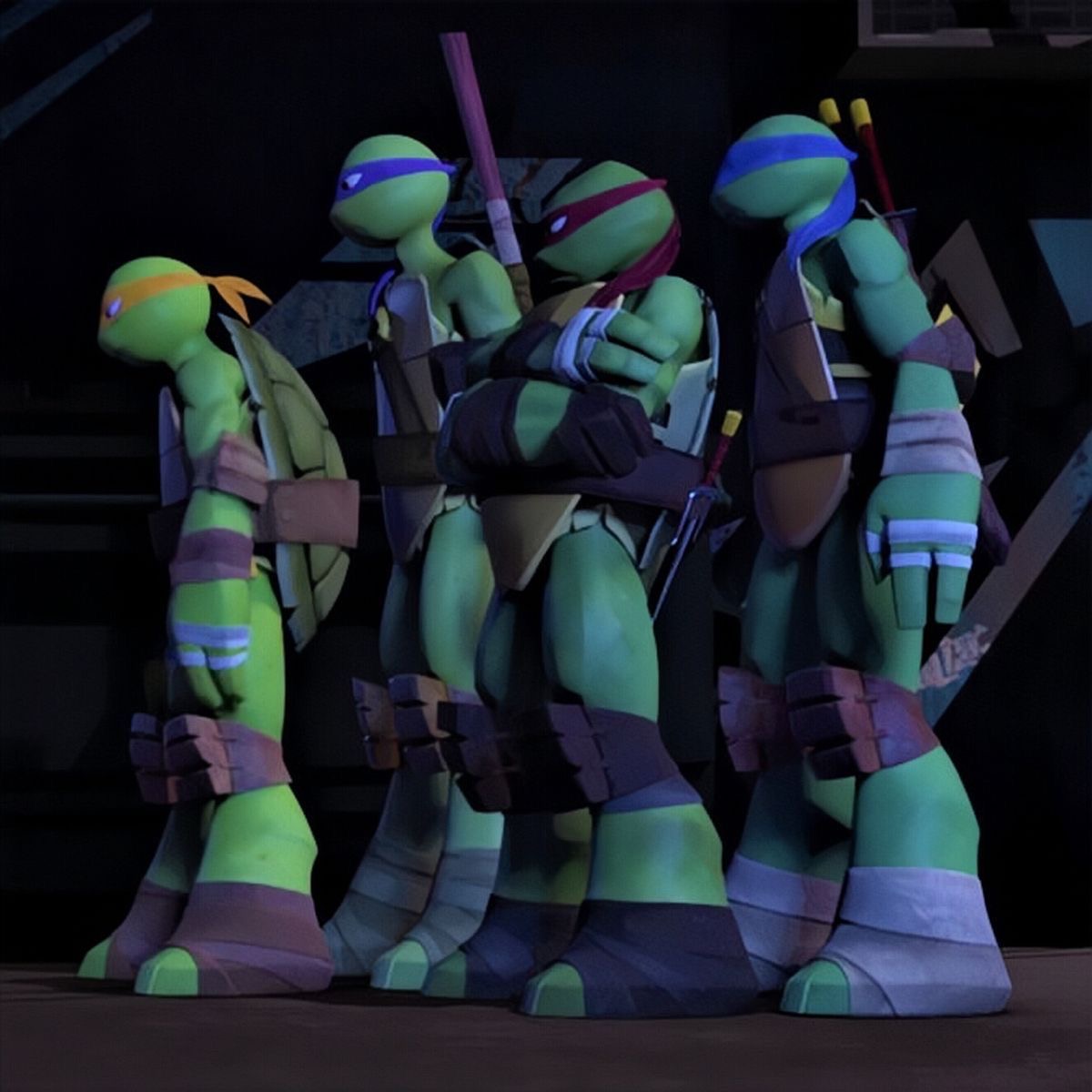
A still from the 2012 Nickelodeon “Teenage Mutant Ninja Turtles” reboot. | Photo from @tmnt on Instagram
Jan. 21 2026 | Jaylin Emond-Hardin | Entertainment Editor
I always say that almost everyone, at some point, watched a cartoon about a color-coded group of kids or teenagers saving the world. Don’t believe me? Well, I could sit here for days and list all the shows that have color-coded groups, but then that would take up my whole article — it’s a lot. However, I specifically want to talk about three shows that had a certain level of popularity in the 2010s: “Teenage Mutant Ninja Turtles,” “Lego Ninjago: Masters of Spinjitzu” and “Power Rangers.” A wild combination, I know, but bear with me. So, why these shows? Well, they all have a similar premise — a color-coded group of teenage ninjas have special abilities and are the only ones who can save the world. While “Teenage Mutant Ninja Turtles” and “Power Rangers” are reboots of their respective 1989 and 1993 original series, “Lego Ninjago: Masters of Spinjitzu” was created specifically for the Lego toy line of the same name — a marketing tactic that Lego heavily utilized in the 2010s. So why the color coding? Well, it’s a visual design element that stems from the original IDW “Teenage Mutant Ninja Turtles” comics. With each turtle looking so similar in design, artists needed a way to differentiate them so fans could tell them apart. Thus, Leonardo was associated with blue, Raphael was associated with red, Donatello was associated with purple and Michelangelo with orange, creating a visual element that other artists began to use. By the time “Mighty Morphin’ Power Rangers” hit American airwaves in 1993, the show also had different colored characters to show who was who, with one major difference from its predecessor: there were two female characters, and they were pink and yellow. While April O’Neil was associated with the color yellow in “Teenage Mutant Ninja Turtles,” she was a supporting character and didn’t have as much agency as the Yellow Ranger did. When the reboots hit Nickelodeon in the 2010s, “Lego Ninjago: Masters of Spinjitzu” was hitting Cartoon Network. A major difference between this show and the other two, however, was that each ninja master was color-coded to the element he was a master of. So what made these three shows stand out among the rest of the 2010 shows? After all, there were other shows with punchier animation and harder-hitting jokes. My theory is that they were part of what is now called “older brother core” — the aesthetic that most members of Generation Z associate with either an older brother or male cousin. It’s characterized by a laid-back skater style that blends grunge, emo and nu-metal all into one, and is especially associated with the “Call of Duty” video game franchise, Monster Energy drinks and Adult Swim shows. In fact, when I look at a list of media associated with older brother core, “Teenage Mutant Ninja Turtles,” “Power Rangers” and “Lego Ninjago: Masters of Spinjitzu” are on the list. The 2010s were heavily influenced by this aesthetic — especially when Disney Channel launched Disney XD, which I thought was just Disney for people who skate when I was growing up. The 1980s were similar in this aspect. Skater culture was taking the forefront, and music was beginning to become more experimental — especially with bands like The Ramones and The Descendants making way for the grunge and pop-punk era of the 1990s. The 2010s mirror this as trends recycle and come back into focus. After all, I’ve been seeing a lot of 90s and early 2000s styles come back into popularity. “Teenage Mutant Ninja Turtles” is available for streaming on Paramount+, “Lego Ninjago: Masters of Spinjitzu” and “Power Rangers” are streaming on Netflix and Amazon Prime respectively and “The Lego Ninjago Movie” is streaming on HBO Max.
Still of Sebastian Stan as the Winter Soldier in “Captain America: The Winter Soldier.” | Photo from @movietitan on Instagram
Jan. 14 2026 | Jaylin Emond-Hardin | Entertainment Editor
I was never really interested in Marvel growing up. I was a fan of DC comics for as long as I can remember. I loved Wonder Woman, Superman and, albeit a bit less so, Batman. The DC Extended Universe — often shortened to DCEU — includes movies directed by Zack Snyder and other directors from 2013 to 2023. This is, of course, the same set of years that the Marvel Cinematic Universe — commonly known as the MCU — hit its peak, but the DCEU never had the same level of success.
When “Black Panther” was released in 2018, I was an eighth grader. My middle school did a Positive Behavioral Interventions and Supports event as a reward for students who had a high level of attendance and other positive behaviors. We had the choice between “Black Panther” and “Sherlock Gnomes” to go see in theaters, so I decided on the former. It was my introduction to the universe, and I’ve seen almost every Marvel movie since then.
My partner loves the MCU, so he convinced me to do a complete timeline watch once he found out I’ve never seen most of the early Marvel movies. The only reason I saw any MCU movies that came out after “Black Panther” was because, for whatever reason, every guy I dated loved taking me to see them in theaters once they found out I didn’t know much about Marvel.
This first watch-through comes in preparation for “Avengers: Doomsday” to hit theaters late December this year. I knew most of the basics and how things ended up, but really seeing how things happened, understanding callbacks and seeing the foreshadowing has been an experience I wish I had sooner. Starting with “Captain America: The First Avenger” and going in order of when they happened rather than when they were released has proven the best way to watch.
I’m finding I enjoy the MCU much more than I ever enjoyed the DCEU. I think a large part of it has to do with just how deep the universe goes. Heroes are given their origin movies and see actual character development instead of just grunting and looking sweaty for two hours.
But let’s have some fun. I’m going to break down just what has made this watch-through fun and enjoyable for me, which I hope will convince others to finally take that first step to watch.
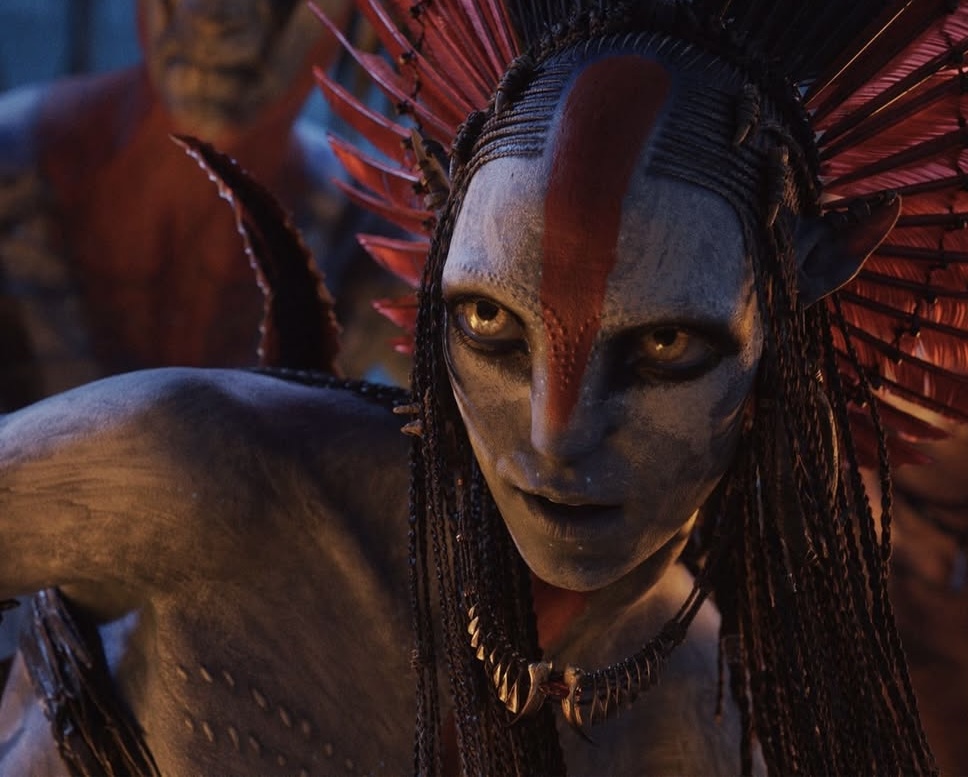
A strong cast — The MCU has an absolutely stacked cast. Most are household names now because of their roles; however, some actors were well known before they became superheroes. Part of my fun during the “Guardians of the Galaxy” movies has been saying, “Gamora, your Neytiri is showing.” This, of course, comes from the fact that Gamora and Neytiri are both played by Zoe Saldaña. Vin Diesel and Bradley Cooper play the ever-iconic Groot and Rocket Raccoon, respectively, and I don’t think Marvel’s casting directors could have chosen anyone better.
Benedict Cumberbatch is another actor who was well known before he entered the MCU, starring in roles such as Sherlock Holmes in the BBC’s “Sherlock” and Smaug in “The Hobbit” trilogy. The man’s voice is like butter, which is why he was the perfect choice for Dr. Stephen Strange.
Of course, Chris Evans as Steve Rogers and Robert Downey Jr. as Tony Stark will forever be iconic. They are the beating heart of the MCU. The starting points. Downey, in the 2008 “Iron Man” movie, kick-started the whole franchise, and Evans is, quite literally, the first Avenger. Without them, the franchise wouldn’t be what it is today.
Well-rounded, fleshed out characters —As I said earlier, the characters in the MCU get wonderfully written origin movies instead of only simplistic action plotlines. The movies can be dark, but not overly gritty with blue-toned overlays to try and make it look “serious” — I’m looking at “Man of Steel” here — and characters aren’t turned into shells of themselves. They’re snarky and can crack jokes. They’re allowed to mess up and fall flat on their faces to start their arc. They’re not perfect, no matter how much they pretend to be. Everyone is just deeply human in their journeys.
I am very biased towards Bucky Barnes. He’s my favorite character. He was, weirdly enough, my favorite character before I got into the MCU. Tall, dark, handsome and brooding? Yeah. That checked all my boxes when I was in middle school. As an adult, that hasn’t changed. I still fall into fangirl mode and shriek his name whenever he’s on screen. Pray for me when I get to “Falcon and the Winter Soldier.”
But part of Barnes’ appeal is his character arc. Captured by HYDRA and brainwashed for 70 years before he eventually breaks free and gets to live a semi-normal life, Barnes is a character whose struggle is deeply human. How many of us have had to overcome a traumatic experience in our lives and try to find peace with it? How many veterans have struggled with PTSD and might see themselves in his story? There’s a character for everyone to relate to in the MCU.
The indomitable human spirit — This one is kinda corny, I know, but the MCU is full of movies that are, in some way, about the indomitable will we have as humans. There are, of course, some exceptions. The “Thor” movies. Peter Quill’s storyline in “Guardians of the Galaxy” only counts towards this because he’s half-human. But, for the most part, Marvel movies are about human beings defying odds that are supposed to kill them.
Tony Stark has a death-sentence in his chest with the arc-reactor core. Steve Rogers became one of the greatest heroes in the world, even after he was told no time and time again. Natasha Romanoff and Bucky Barnes have arcs that are such deep allegories for sexual assault and human trafficking that they feel like they could be real.
This goes with how relatable the characters can be. Their stories are deeply human, which makes them deeply human characters.
In our lives, we often overcome things we weren’t supposed to. We show kindness even in the face of deep adversity. And that is what we see in the MCU. These movies remind us what it means to be human.
And if those reasons can’t convince anyone to watch the MCU? Well, superheroes and explosions should be a good enough reason.
With the exception of “Venom: The Last Dance” and “Spiderman: No Way Home,” all Marvel movies and shows are streaming on Disney+.
A nighttime shot of the Whiteside Theater in Corvallis, where the Wild and Scenic Film Festival was held. | Photo courtesy of Wes Flow
Nov. 19 2025 | Jaylin Emond-Hardin | Entertainment Editor
On Nov. 13, the Wild and Scenic Film Festival celebrated its 10th year in Corvallis and was hosted by the Corvallis Environmental Center. The Corvallis Environmental Center, a non-profit founded in 1994, focuses on creating a healthy, sustainable community through educating students from pre-kindergarten to eighth grade on environmental wellness, leadership development and food security.
Featuring 10 films on topics from conservation to outdoor sports, the festival aimed to inspire the community through a love of nature. This year, the festival’s message centered on hope, aiming to draw attention to the ways people are making a difference in the world by working to bring change in their communities.
This year, the films were screened at Whiteside Theatre in Corvallis, a 30-minute drive from Western and six minutes from Oregon State University. The festival also offered on-demand tickets, where viewers could watch each film from the comfort of their home. These on-demand screenings were available on the Corvallis Environmental Center’s website Nov. 13 through 19.
The center provided these films to the Corvallis School District free of charge for teachers to view the films in their classrooms with their students.
“We want to share these films with everyone who cares for this planet we call home. We believe that is everyone,” said Corvallis Environmental Center Outreach Coordinator Karen DeWolfe.
“Films are a powerful way of sharing stories from other communities. It is powerful to see other people effectively making a change,” she added. “Film also helps show us how beautiful our world is, and I think this can inspire us to take additional steps to care for our planet.”
My favorite was the second film, “Friends of Frogpool Lane,” which was produced by Freshwaters Illustrated in partnership with Amphibian Friends, an organization in eastern Pennsylvania that the short film also follows. It was founded in 2010 by Kim White and her husband after she saw an article about amphibian migrations on a busy road near their newly-purchased property. From there, White discovered a vernal pool on her property, a seasonal wetland that typically appears in the spring and grows through the rainy season. They are the ideal habitat for frogs and salamanders to mate and spawn in, since the pools cannot sustain fish life. Vernal pools are highly endangered habitats, with as many as 50% of vernal pools in the Eastern United States being lost or impacted.
Every year for the last 15 years, on rainy nights in February and March, Amphibian Friends sets out with the help of 25 volunteers to assist the migration of thousands of salamanders and wood frogs.
In 2023, the Whites’ vernal pool was permanently protected through a conservation agreement with the French and Pickering Creeks Conservation Trust. The film ends with the message “Help amphibians migrate by driving slow on rainy spring nights and protecting migration corridors.”
Wild and Scenic’s flagship festival is held annually in Nevada City, California and Grass Valley, California, before hitting the road for the On Tour program. There are currently around 110 stops and events in this program, with more than 38,000 people being reached annually. Each stop is supported by local environmental organizations, which then donate the proceeds to local social programs.
This year, the proceeds from the festival went to the Corvallis Environmental Center’s Food for Families program, various scholarships for the center’s youth programs and growing fruits and vegetables at Straker Arts Garden for Education.
“Food for Families is centered on our one-acre education garden, SAGE,” DeWolfe said. “We grow ~5,000 lbs of fresh, sustainable produce annually to supply local food for people most in need in our community.”
Food for Families delivers in-season fruits and vegetables from the Straker Arts Garden for Education to emergency food agencies in Corvallis, including the South Corvallis Food Bank, Stone Soup Kitchen and the Oregon State University Emergency Food Pantry. They are able to do this with the help of over 300 volunteers, interns and staff at the Center.
This is Wild and Scenic’s 23rd year, with the next edition — as the festival calls itself on its website — slated for Feb. 19 through 23. The event is expected to occur again next year. Specifics have yet to be released, but students can keep an eye out to contribute to the cause.
“The Film Festival has helped us make connections with amazing local filmmakers, like Chelsea Jolly and Dave Herasimtschuk,” DeWolfe said. “It brings our community together to celebrate the beauty of our planet and the people we share it with. And it helps us come together for a night of feeling hopeful.”
“I believe and I hope it helps all of us realize we can be the change we want to see in the world,” she added.
Still of Oona Chaplin as Varang in “Avatar: Fire and Ash.” | Photo from @entertainmentweekly on Instagram
Jan 7. 2026 | Jaylin Emond-Hardin | Entertainment Editor
James Cameron created perhaps one of the greatest fictional worlds in cinematic history when he introduced moviegoers to Pandora in his 2009 film “Avatar.” While the director is best known for his 1997 historical romance “Titanic,” his true pet project is the “Avatar” universe.
In a 2022 interview for the “Avatar: The Way of Water” press tour, Cameron revealed the idea came to him in a dream when he was 19.
“I woke up after dreaming of this kind of bioluminescent forest with these trees that look kind of like fiber-optic lamps and this river that was glowing (with) bioluminescent particles and kind of purple moss on the ground that lit up when you walked on it,” Cameron said in the interview. “It was all in the dream. I woke up super excited, and I actually drew it. So I actually have a drawing. It saved us from about 10 lawsuits. Any successful film, there’s always some freak with tinfoil under their wig that thinks you’ve beamed the idea out of their head. And it turned out there were 10 or 11 of them. And so I pointed at this drawing I did when I was 19.”
The franchise’s titular film, “Avatar,” broke records when it first appeared in box offices. It was the highest-grossing film ever — until “Avengers: Endgame” usurped it in 2019 — and won the Academy Award for Best Visual Effects. In 2010, following the success of his movie, Cameron announced that two more movies were set to follow, with the first of these sequels initially slated for a 2014 release. However, Cameron did not feel underwater filming technology was advanced enough for the direction he wanted to take the sequel, so it was delayed until December 2022.
“Avatar: The Way of Water” became as big a success as its older sister. It was the highest grossing movie of 2022, earning $2.02 billion globally, and is currently the third-highest-grossing movie of all time. With “Avatar,” “Avatar: The Way of Water” and “Titanic” sitting in the first, third and fourth spots, respectively — “Avengers: Endgame” still holds second — James Cameron sits second in the list of highest-grossing directors, only $1.3 billion behind Steven Spielberg.
December 2025 saw the release of “Avatar: Fire and Ash,” which picked up immediately where “Avatar: The Way of Water” left off.
The film follows Jake Sully and his family as they defend their lush world from the Resources Development Agency and its privatized military SecOps. Sam Worthington, Zoe Saldaña and Stephen Lang reprise their roles as Sully, Neytiri and Colonel Miles Quaritch, with most of the cast from “Avatar: The Way of Water” returning. The film also introduces Varang — played by Oona Chaplin, best known for her role as Talisa Maegyr in “A Game of Thrones” — the Tsa’hik of the Mangkwan Clan, and Peylak — played by David Thewlis, best known for his role as Remus Lupin in the “Harry Potter” franchise — the leader of the Na’vi Wind Traders.
Water, fire, wind? This is starting to sound a lot like “Avatar: The Last Airbender.” In fact, a lot of times, when someone mentions “Avatar,” there’s always the clarification: “the one that controls the elements or the blue cat people?” What started as a joke about sharing a name has now shaped into two franchises being near-mirror images of each other.
The Metkayina Clan, which was introduced in “Avatar: The Way of Water,” bears an eerie resemblance to the Water Tribe in “Avatar: The Last Airbender.” They’re isolationists, deeply spiritual and, of course, associated with the ocean. The only difference, however, is that the Metkayina Clan does not control the element they are associated with. The Mangkwan Clan, which is associated with fire — actually controlling it in a way in “Avatar: Fire and Ash” — and which turns on their own kind? Well, that’s almost twin to the Fire Nation. Even the Wind Traders are similar to the Air Nomads: never staying in one place and wearing orange, monk-style robes. Both franchises are also based on various indigenous cultures.
But it’s not as bad as it seems. Both franchises rely heavily on similar tropes and premises.
For one, color-coding elements. Fire is red, which is seen in the Fire Nation’s clothing and the Mangkwan Clan’s war paint, and aggressive, which is shared by both groups’ desire to conquer their world. Water is blue and is associated with spirituality — the Metkayina are the most spiritual of the Na’vi clans, just like the Water Tribe. Air has flow and cannot be contained, which is seen in the Air Nomads and the Wind Traders, who each never stay in one place. Even the Omaticaya, the forest-dwelling Clan to which Sully and Neytiri belong, is similar to the Earth Kingdom in the sense that both groups are grounded and deeply connected to their element.
In short, fire is red and aggressive, water is blue and flowing, air is free-willed and cannot be tied down and earth is grounded and holds a deep connection to the surrounding world. These are all associations that the elements have naturally. After all, every zodiac sign has an element it best fits with.
And being based on indigenous cultures? Well, natives are just like that. We’re cool.
On a more serious note, indigenous peoples share many commonalities with one another. We all have fought against oppressors and colonizers in our histories. We are all deeply connected with the world around us. Our stories are compelling, even today.
“Avatar” is, of course, not without its critics. A lot of people believe the films fit into the white-savior trope, where a white person assimilates into a native population and ends up saving them. Others feel like it is the noble savage trope, where the indigenous peoples are portrayed as morally superior and uncorruptible. Still others see it as a romanticized view of colonization.
As a native woman, I don’t see these movies as any of those, but some indigenous peoples do see them like that. It is all based on perspective. I think they are a love letter to the indigenous peoples who have been on this world since time immemorial and survived despite war and genocide.
“Avatar” and “Avatar: The Way of Water” are currently streaming on Disney+ and Hulu, where “Avatar: Fire and Ash” will also be released once it leaves theaters.
Those who love spending their time playing chill video games are likely familiar with the popular game franchise Animal Crossing, and are waiting in anticipation for the large update to “Animal Crossing: New Horizons” coming Jan. 15.
New Horizons was originally released in 2020 exclusively on Nintendo platforms such as the Nintendo Switch. The game itself is fairly open in what the player can do, but does have some goal oriented tasks and requires tasks for progression, especially at the beginning. Players begin the game by customizing their character and selecting an island type to live on. The island types differ based on where cliffs and rivers are located, and players can use this to base what kind of design they would like while being aware that they can landscape — move around — these two things later on in the game. Once they select their island type, the player will pick a location for their tent and then start on their island. In the beginning, the player won’t be able to cross any rivers or climb cliffs until they get the resources to build a vaulting pole and ladder. Later on, they can spend bells — money — to build bridges and stairs for easy transportation around their island.
Throughout the game, players can collect resources to build various things like decorations and buildings. Animal Crossing is centered around designing and decorating your island, but there are also other small tasks players can work on. They can collect fossils for their museum and work on filling all of the exhibits. Once they achieve a fishing rod and net, they can also collect sea creatures and bugs which can either be donated to the museum or sold for bells.
Players can also interact with villagers living on their island, and, eventually, can move around their villagers’ houses to certain locations. Many Animal Crossing players work to get aesthetic villagers to fit the vibe of their island even though they have little control over this. A villager can randomly tell the player that they want to leave and the player can either accept or decline — the only control players have over what villagers they want on their island.
As time progresses, players can also work on achieving a five-star island rating. This rating is based on the attractiveness and cleanliness of their island, and can be found when talking to Isabelle at the city hall. Players can improve their rating by pulling weeds, picking up stray items and decorating their island.
Another creative aspect that goes into the game is the option to decorate inside the player’s house as well as change their outfit. Players can buy furniture and clothing from stores on their island to customize their look, and can buy house extensions such as new rooms and more floors from Tom Nook. To expand their house, players must ensure their current loan to Tom Nook is already paid off, and similarly, to expand from their beginning tent to a house they must earn enough to pay off their loan.
The upcoming update is sure to expand on all of these aspects as well as bring back fan requests from previous Animal Crossing games such as “Animal Crossing: New Leaf.” One aspect of the update is a new Resort Hotel building that visitors to the island can stay at. Players can customize the guest rooms based on a theme in their resort hotel as well as buy new outfits for visitors. Villagers that visit your island can be found staying at the hotel, walking around enjoying the scenery, inside the museum or shopping at Nook’s. Players can also buy amiibo cards that they can scan to get certain villagers to visit their island, an aspect of New Leaf that many players wanted to bring back.
Players can also take on requests from Tom Nook to craft island goods that will then be delivered. Each request that players fulfill can then be traded in for hotel tickets. Decorating rooms can also earn hotel tickets, and tickets can be exchanged in the souvenir shop for hotel novelties and other exclusive items.
If players have an online membership, they can also visit Slumber Island to create a whole new island in addition to the one they already have with friends. They can do all of the same things on this island such as terraform, build and decorate. Players can do this with up to three additional islands, and can use these to create vacation islands away from their main one.
A basic expansion players can also expect is the ability to play online with up to 12 other players. Currently, the max is eight players. Players can also expect more storage space, with space increasing from 5,000 items to 9,000.
Players can also utilize Resetti’s cleanup service in the new update. Rather than completely creating a new island when they want a fresh start, this provides the option to select a specific area on their island and have Resetti clear it out. They can have Resetti clear out flowers, decorations or everything.
The new update will also include various crossovers. Players can buy items that are Nintendo-specific, like a Nintendo Switch or a Game Boy, for their island, and can also buy LEGO items, including LEGO furniture and clothing. Legend of Zelda amiibo cards can be scanned by players as villagers and will unlock furniture and clothing items based on Legend of Zelda. Newly added characters from Zelda, including Tulin and Mineru, can also become villagers on your island. These same things apply with the Splatoon series, introducing Cece or Viché visitors.
All in all, both avid Animal Crossing players and new players can expect many fun additions in the new update that will make playing even more enjoyable.
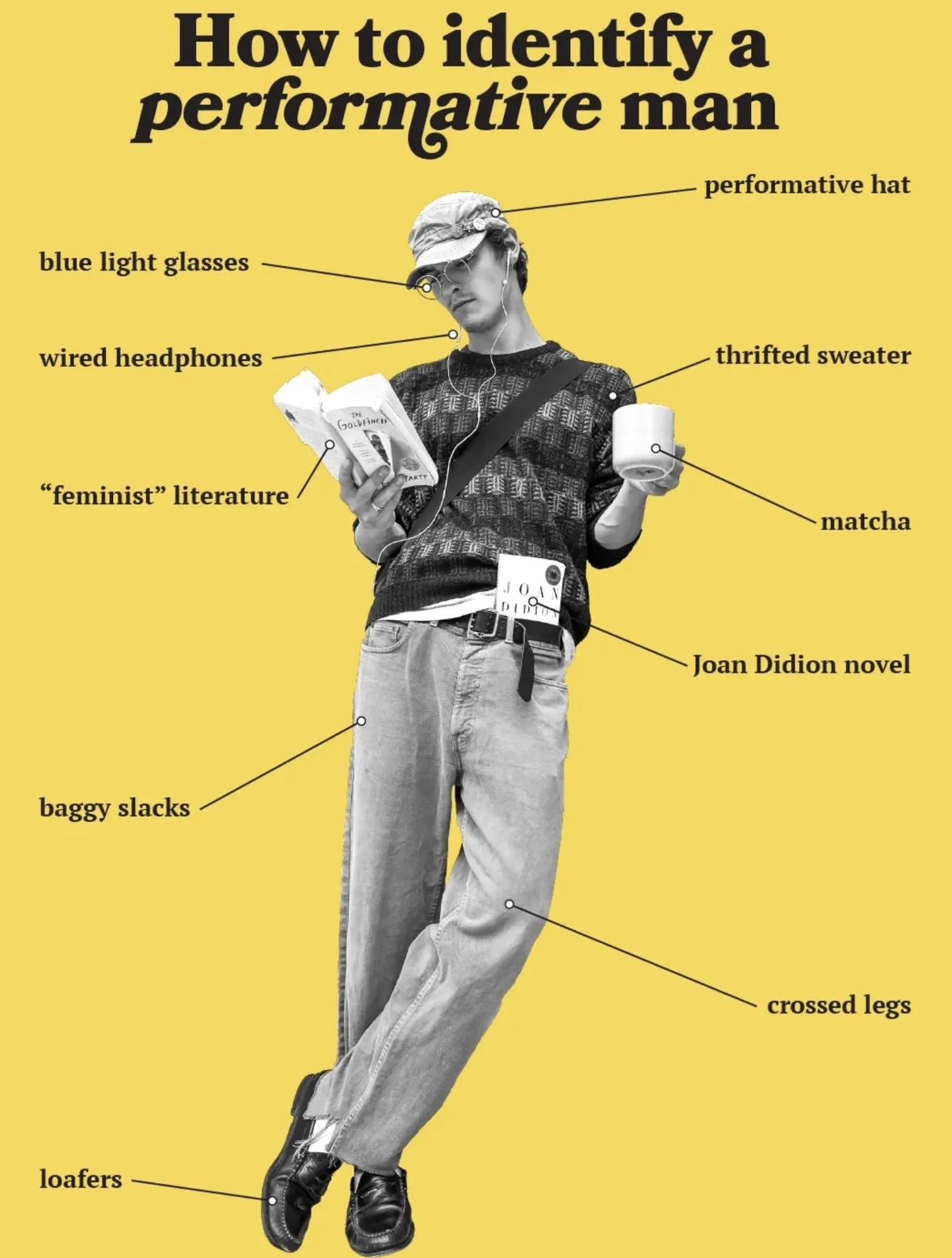
The telltale signs of how to spot a performative male. | Photo from @dalgazette on Instagram
Dec. 3 2025 | Jaylin Emond-Hardin | Entertainment Editor
Matcha. Labubus. “The Bell Jar” by Sylvia Plath. Thrifting. On their own, these might not have any weight, but when combined? They create the performative male, an archetype of masculinity that has been on the rise since earlier this year.
The performative male has risen in the wake of the toxic masculinity that is associated with Andrew Tate and anti-feminist ideology, showing a sharp contrast in masculinity in online spaces.
The term “performative male” itself is used to describe cisgender, heterosexual men who intentionally adopt traits and habits that are typically associated with women or the online “soft boy” persona. Imagine a man who wears thrifted sweaters, a Labubu on his belt and wired headphones while drinking matcha and reading feminist literature — all meant to signal to women that he is sensitive and emotionally aware.
These traits aren’t a bad thing at all. I, personally, love it when my boyfriend is sensitive and emotionally aware. A majority of people who are attracted to men love when they are sensitive to our feelings. It tells us they care about us and aren’t afraid to show their own feelings.
The problem arises, however, when men simply adopt these traits and habits to gain the romantic affections of the women around them. They want to signal that they are a safe space for women, that they are different from other men and most importantly, that they are a “good guy.” Now this is in no way berating men who actually choose these traits and habits because they enjoy them — they aren’t the reason why the archetype is called the “performative male.”
It’s when all of these combined attributes feel hollow and empty that the archetype becomes performative. When a man shows no genuine interest in feminist literature or astrology beyond how it makes him appeal to women, then it is an empty attempt. A performative male has been compared to social media activism: actions only done to seem like a “good person.”
As I said before, this trend has arisen in the wake of toxic masculinity and the male loneliness epidemic. Recent studies suggest that a possible cause is the polarizing views between Generation Z men and women. Young women have become increasingly liberal and against patriarchal values, while, in contrast, only 43% of young men identify themselves as feminists, while also becoming more patriarchal in their views.
“This shift has happened because of toxic masculinity. There’s been a shift from the alpha bro to a more chill, nice guy. This is a trend for men to be more soft and more fashion-forward,” TikTok user @ellabellaaa_ said.
Performative male contests have been popping up all around the world — from Toronto to San Francisco and even Jakarta — with the most performative of them all winning. At these contests, participants compete for laughs and women’s attention by reciting poetry, showing off their thrifted fashion or handing out feminine hygiene products to show they’re “one of the good guys.”
But as young men begin to explore gender outside of what is considered traditional masculinity, this response is showing them one thing: that being sensitive, soft and emotionally available is humorous and should be openly mocked.
However, I hope that men continue to adopt these traits not out of malicious intent, but because they genuinely want to. Society is continually evolving, and we may move towards a time when men can adopt traits that are not traditionally masculine with less scrutiny.
The promotional poster for “The Simpsons” x “Fortnite” collab. | Photo from @fortnite on Instagram
Nov. 19 2025 | Jaylin Emond-Hardin | Entertainment Editor
“The Simpsons” have couch-gagged their way into “Fortnite,” completely taking over the game’s maps, shop and battle pass.
Released Nov. 1, the season was teased beforehand with Kang and Kodos — the slobbering, green, one-eyed aliens most commonly seen in “Treehouse of Horror” episodes — following the Battle Bus as players launched into the game. When the season officially launched, major locations switched from their usual themes to well-known ones from the series. These include Burns Manor, Cletus’ Corn Hole, Corruption Corners, Donut District, Evergreen Terrace, Kamp Krusty, Springfield Nuclear Power Plant, Springfield Slurpworks and Springfield Town Square. A majority of these locations feature heavily throughout the 37 seasons of “The Simpsons,” though Kamp Krusty was only featured in the Season 4 opener, “Kamp Krusty,” and in Season 28, Episode 15, “Kamp Krustier.” Springfield Slurpworks is similar, featuring first in Season 35, Episode 12, “Lisa Gets an F1” as Springfield Tasselworks — a now closed-down factory that once made nipple tassels. Corruption Corners is a bleedover from the “Fortnitemares” Halloween event.
Along with these locations, three bosses will also spawn throughout the map: Ned Flanders, Krusty the Clown and Witch Marge. Ironically enough, the Ned Flanders boss has claimed the most player kills so far, with a staggering 33,000. The Battle Bus driver has also been renamed to Otto, who drives the bus for Springfield Elementary in the series.
The battle pass features iconic moments from “The Simpsons,” as well. Among the tiers, players will find Marge Simpson, Blinky Fishstick, Ned Flanders and Homer Simpson. Witch Marge, Hazardous Blinky Fishstick and Stupid Sexy Flanders also feature on the battle pass as cosmetics. Witch Marge comes from Season 9, Episode 4, “Treehouse of Horror VII,” while Stupid Sexy Flanders is from Season 11, Episode 10, “Little Big Mom.”
Among the extra levels of the battle pass is “Evil Homer,” which comes from Season 4, Episode 20, “Whacking Day,” and includes an emote of Homer shaking donut maracas and singing “I am Evil Homer.”
Peely, like Fishstick, was also given a Springfielder makeover and is cel-shaded in the show’s iconic style. Featuring as rewards for completing weekly quests, Springfielder Peely also has “Peelfessor Frink” cosmetics, based on the character Professor John Frink, and includes a glider, back bling and skin.
The shop’s takeover features iconic characters Krusty the Clown, Moe Syslak, Bart Simpson and Lisa Simpson, as well as “The Simpsons” theme and “The Monorail Song,” which featured in Season 4, Episode 12, “Marge vs. the Monorail.” Emotes based on other iconic “Simpsons” moments include Flaming Slurp, based on a Flaming Moe; Saxophone Solo, which features Lisa’s iconic solo from the theme; Homer’s Hedge Retreat from Season 5, Episode 16, “Homer Loves Flanders”; and Squishee Boarding, featuring a squishee from the Kwik-E Mart.
Sidekicks were also introduced this season, with players who bought the battle pass able to immediately claim and customize “Peels,” a little dog shaped like a banana. Sidekicks are equipable and will follow players throughout various game modes, as well as emote with them and celebrate when they get a kill. Other sidekicks include Mothman Jr., Cuddle Team Jr., Spike and Flopsticks. Plopper, from “The Simpsons Movie,” is available in the shop as a sidekick, as well.
“The Simpsons” will stick around until the end of November, just in time for Winterfest to kick off. Fans will have the annual advent calendar, snow-covered map and other winter-themed items and skins to look forward to. Winterfest kicks off Dec. 1 when “Fortnite” updates automatically in the shop.
A photo of the Kele tribe during a challenge. | Photo from @survivorcbs on Instagram
Nov. 12 2025 | Abbi Duhart | News Editor
Even fans who aren’t avid consumers of the reality TV show “Survivor” likely remember seeing a season here or there, whether it be remembering a season from the old era with dangerous twists and turns such as lions roaming around the castaways’ camp, or a season from the new era with all of the various gameplay additions, such as idols and beware advantages. I know I love watching all of the drama unfold as well as the new challenges and twists they come up with, a reason that likely contributes to why fans keep watching season after season. “Survivor” contestants from Season 49 — the current season — provided their own personal “Survivor” hot takes, and I’ll be ranking them from worst to best for both die-hard fans and the occasional viewer alike to enjoy. 18. Bring back the super idol — Kristina When the super idol was in play, contestants who found two hidden immunity idols could combine them to create a super idol, meaning they could use the idol after the vote. Personally, I feel like this advantage gives one person way too much power. Some advantages are just unnecessary because they change the game way too drastically and unfairly. 17. The margarita curse is fake news — Alex The “margarita curse” is essentially a theory that any contestant who wins a margarita from a reward challenge ends up getting voted out. It happened a few times, so fans and contestants started joking that it was related. I feel like this hot take isn’t really a hot take because the margarita curse isn’t real and is all theorized from a few occurrences that were most likely a coincidence. 16. Sam should have won season 47 — Jake Sam, the runner-up, argued at the final counsel that he should win because he fought for immunity in all the challenges. Rachel ended up winning and countered that forming bonds and alliances are just as important. I believe that any aspect of “Survivor,” whether it be a contestant’s physical strength or their social game, is crucial to a win. 15. Contestants shouldn’t be forced to risk their vote, it should be a choice — Steven I feel as if there aren’t really many cases where contestants are forced to risk their vote. Most often, they lose their vote while going on an individual journey to an island, and most contestants voluntarily do this. 14. Idols overrated, advantages underrated — Jason I’m not sure if I or other fans would necessarily agree with this, because idols are the most powerful advantage in the game. I also believe that the new era of “Survivor” has a multitude of advantages, and they aren’t really underrated. 13. The best player does not always win — Rizo As viewers, we can often favor one contestant over another for various reasons like their strength or their social game, and we may have the perception that one deserves to win over the other. While this may be true, I think anyone who manages to win “Survivor” didn’t win by fluke. 12. New era > old era — MC Both have their strong points: new era comes with many more twists and turns, where contestants have to think a lot more about their strategy, while old era comes with more of the survival aspect of “Survivor.” 11. Russell is amazing — Annie Russell is a contestant who can be seen as overly harsh and has sometimes even been described as a snake, but he made the game very interesting and managed to win Fan Favorite for arguably one of the most iconic seasons: Heroes vs Villains. 10. There’s no such thing as an honest game — Sage This hot take really makes me think hard about what an honest game even is. Many contestants go into the finale claiming they should win because they played an honest game, but I think I agree that it’s near impossible to do this while they are actively voting people out. 9. “A lil rice would be nice” — Shannon I do think that the game may be more interesting if each tribe was given rice rations to eat, because they would be slightly stronger for challenges. 8. Chris Underwood deserved the win — Matt While I do believe that everyone who wins deserves the win, Chris won the final immunity challenge but gave up immunity to compete in the fire-making challenge because he believed he needed to prove he deserved to win. I think this is a very risky but iconic move that deserves some credit. 7. Stop handicapping losing tribes by taking their flint — Sophie Like with the rice debate, I think if tribes had their flint, it may make the rest of the game — the challenges — more interesting. 6. Bring back the loved one visit — Jeremiah I think adding this reward later on in the game would provide contestants with more motivation after to play the game harder and better. 5. Cast more people likely to get in a showmance. Love is the only way to beat logic — Savannah Many fans remember the iconic Boston Rob and Amber showmance, and I think we would all enjoy more showmances to make the show more interesting. 4. Knowledge is power is pretty awesome — Jawan I think having this advantage in the game can make the gameplay more challenging and thought-provoking, and may push contestants to be more careful about who they show their idol to. 3. Immunity idol = death in the game — Nate I think this really depends on how the contestant strategizes with their idol. Many of them choose to show their alliances that they have an idol, which can cause rumors to spread around and can ultimately lead to their downfall. 2. There is no such thing as a player who should have won, it’s all about jury management — Nicole Many fans and players argue that whoever was the best in challenges and the strongest physical player should have won, but the social game in “Survivor” is just as important. Ultimately, it’s the jury at the end deciding their fate. 1. Whoever wins deserves it — Sophi On that note, “Survivor” is all about how each contestant uniquely plays the game. There is no right or wrong game if someone makes it to the finale. Winning a reality TV show over seventeen other contestants is not an accident.
Content warning: this article contains spoilers for “Super Mario Galaxy”
“Super Mario Galaxy” was a game that came out in 2007 on the Nintendo Wii. It introduced several new mechanics that were different from previous Mario games, such as the ability to stun enemies with the spin move and the introduction of 3D graphic manipulation as the game is set in various worlds with different physics. However, the biggest addition that this game brought to the forefront was the introduction of a new character, one who comes from the stars. Introduction — Known as the “mother of the Lumas,” Rosalina debuted as a woman who possesses great cosmic power. She travels throughout space in her observatory, keeping an eye out for any threats. She has been called “an interstellar protector” by Nintendo. She is known as the adoptive mother of the Lumas, star-shaped creatures that are baby stars. They have the capability to transform into stars, comets, planets and even “Power Stars,” which are the main source of power in the world of the Mushroom Kingdom. The plot — The game opens up with a few pages of a storybook, explaining that once every hundred years a comet passes by the Mushroom Kingdom. On this occasion, the people host an event called the “Star Festival,” meant to celebrate the comet’s return. Then, the game becomes similar to most Mario games where Bowser attacks the Mushroom Kingdom to kidnap Princess Peach. While Mario is attempting to save her, he gets knocked into space. When he wakes up, it’s in the company of the Lumas. After a brief chase with them, they explain that their “Mama” needs his help. It is then that Rosalina makes her first appearance. She tells Mario that she is the guardian of the cosmos. She then entrusts Mario to take care of a Luma that will give him the power to travel through space to save Peach. This is what gives Mario his shake ability, which allows him to not only stun enemies, but to use “Launch Stars,” which help him travel through the cosmos throughout the game. Mario is then taken to the Comet Observatory. Rosalina explains that they travel through the area once every hundred years, but were stopped by Bowser this time. He had attacked their home, taking the Power Stars, which give the observatory the power it needs to travel through space. Rosalina asks Mario if he would continue to collect the Power Stars from other galaxies around them. Once enough are collected and power is restored to the ship entirely, Rosalina agrees to help Mario save Princess Peach and defeat Bowser. The ending —Another reason that Super Mario Galaxy is different from other Mario games is the ending. Most of the games end with Peach being saved, Bowser falling into lava and everyone going back home. However, when Mario manages to defeat Bowser, the universe that he was trying to create collapses on itself and creates a black hole. The Luma that was with Mario the entire game, along with all the others in the Observatory, sacrificed themselves by jumping into the black hole. An animation appears showing what’s implied to be a cyclone mixing up stardust. Mario then appears in some sort of limbo with Rosalina, where she explains how the cycle of life works for stars: “When stars die, they turn to stardust and scatter across the cosmos.” She explains that after a time, the stardust turns into a star and the cycle of life continues. Rosalina does say, though, that the cycle of life is never the same. When Mario awakens, everyone he encountered in the game who lived on different galaxies now share one planet. Rosalina’s voice is heard to say that all life carries the essence of stars, including all of them. Mario welcomes the new galaxy and a new cycle of life begins. Origins — Rosalina’s backstory is told to the player throughout the game through a storybook. As Mario collects Power Stars, parts of the observatory unlock. One of the areas is a library, and when walking inside, Rosalina is sitting in a chair holding a storybook. She reads to a group of Lumas, and the story told is implied to be her own. The story is about a young girl who encounters a lost Luma that crashed his spaceship near her home. The Luma says he’s waiting for his mama to come back for him on a comet, so the girl agrees to wait with him. A lot of time passes and they decide to go into space to try to find her. They eventually encounter a comet that they decide to stay on while the girl chooses to adopt the Luma as her child. They construct the Comet Observatory and have a large group of Luma children who live with them. The girl decides to check on her home planet and reminisce about her family. When the thought of her own mother comes to mind, she bursts out in tears as she tells her children that she can’t see her anymore, as she is “sleeping under the tree in the hill,” implying that she has passed away. Luma, the original star child that Rosalina encountered, tries to comfort her and, in the process, turns into a comet. The girl is shocked and the other Lumas explain to her that they all will grow up to become either stars, planets, comets and much more. They all surround the girl, hugging her and asking her not to cry anymore and from that day forward, “star bits no longer fell from the girl’s eyes.” Utilization — Unfortunately, Rosalina hasn’t had a major role in a Mario game since her debut, with most of her appearances coming from spin-off games like “Super Smash Bros,” “Mario Kart” and “Super Mario 3D World.” However, fans still hold her dear in their hearts for several reasons. Unlike most of the Mario characters, who are tailored in a way that kids will enjoy them, Rosalina has a mature personality that is very much motherlike. Unlike Peach, who depends on Mario a lot in the games, Rosalina is an independent woman who not only takes care of herself, but takes care of all the Lumas under her care. Her backstory is compelling, even tragic, which is unique for a Nintendo character, as we don’t know a whole lot about the backstories of the characters in these games. While Nintendo hasn’t taken advantage of how much love the fans have for this character in a while, there is good news for those who have been waiting. Not only are “Super Mario Galaxy” and its sequel available for the Nintendo Switch, but Nov. 25, her storybook will be available for physical release. It has also been announced that the next Mario movie will be based on Super Mario Galaxy. Considering how big a role she plays in the games, there is no doubt that Rosalina will make an appearance in this upcoming film. As a huge fan of Rosalina, I am definitely looking forward to seeing her in the next movie.
A game clip of Zombie Wanda Maximoff, the final boss in the limited “Rivals Zombies” event. | Photo from @marvelrivals on Instagram
When most people think about non-secular music, they typically think of Hillsong United or Elevation Worship. Which, OK, is valid. Those two groups have dominated the worship music scene for years, with numerous controversies that have made them recognizable to anyone, regardless of their religious affiliation. But with Generation Z entering the sphere of worship music, they have begun to shift from what is considered “traditional” in the genre — mainly songs that one would hear sung in church or at a Bible study — to songs that are deeply emotional, personal and relatable. From these artists, the best to emerge is Allison Eide. Eide first came onto the music scene in 2020 when she released a cover of “Mary Did You Know” with her father, Peder Eide. For the next three years, she released Christmas music until her first single, “Love Who I Am,” in late 2023. The song talks about insecurities and people pleasing, but through her faith, she knows who she truly is inside. Eide didn’t blow up overnight. Instead, she spent her time crafting her music and relating to the struggles modern Christians face: expectations on social media, struggles with mental health and the growing discord around faith. In September 2024, however, Eide’s music reached not just her usual Christian listeners but also those from other faiths or who may not be religious when she released her song “Truth Is (Liar).” The song speaks of the lies that are put in our heads from outside sources and how they can be flipped on their head to prove the source wrong. That energy comes through especially in the bridge, where Eide flips criticism into empowerment: “You list ’em off, everything that I’m not / A-B-C, one, two, three, ‘monologue’ / But I list ’em off, everything that I got / Look at me, I’m free and you’re not.” This is the song that introduced me to her music, and every song from her discography has slowly infiltrated my playlists. Eide’s most vulnerable song, however, proves to be her newest single, “why, why, why.” Released Nov. 7, 2025, it speaks about her father’s death after his battle with cancer, as well as recounting the time she spoke to a young girl dying of AIDS. Across the song, Eide wrestles with silence — God’s, the world’s and her own — as she faces pain, suffering and the weight of mental health struggles. It’s a raw, tear-streaked reflection that strips away performance and pride. Eide knows what it means to question faith and still cling to it. In an October teaser, she shared a preview of the chorus with the caption: “the Lord is close to the brokenhearted. it’s time we stop coming to Him like He isn’t.” And honestly? I have yet to listen to it without being brought to tears. It’s rare to find music that makes one feel seen in faith, doubts and grief, but Eide does exactly that.
The official art for Eide’s newest single, “why, why, why.” | Photo from @allison_eide on Instagram
Nov. 12 2025 | Jaylin Emond-Hardin | Entertainment Editor
When most people think about non-secular music, they typically think of Hillsong United or Elevation Worship. Which, OK, is valid. Those two groups have dominated the worship music scene for years, with numerous controversies that have made them recognizable to anyone, regardless of their religious affiliation. But with Generation Z entering the sphere of worship music, they have begun to shift from what is considered “traditional” in the genre — mainly songs that one would hear sung in church or at a Bible study — to songs that are deeply emotional, personal and relatable. From these artists, the best to emerge is Allison Eide. Eide first came onto the music scene in 2020 when she released a cover of “Mary Did You Know” with her father, Peder Eide. For the next three years, she released Christmas music until her first single, “Love Who I Am,” in late 2023. The song talks about insecurities and people pleasing, but through her faith, she knows who she truly is inside. Eide didn’t blow up overnight. Instead, she spent her time crafting her music and relating to the struggles modern Christians face: expectations on social media, struggles with mental health and the growing discord around faith. In September 2024, however, Eide’s music reached not just her usual Christian listeners but also those from other faiths or who may not be religious when she released her song “Truth Is (Liar).” The song speaks of the lies that are put in our heads from outside sources and how they can be flipped on their head to prove the source wrong. That energy comes through especially in the bridge, where Eide flips criticism into empowerment: “You list ’em off, everything that I’m not / A-B-C, one, two, three, ‘monologue’ / But I list ’em off, everything that I got / Look at me, I’m free and you’re not.” This is the song that introduced me to her music, and every song from her discography has slowly infiltrated my playlists. Eide’s most vulnerable song, however, proves to be her newest single, “why, why, why.” Released Nov. 7, 2025, it speaks about her father’s death after his battle with cancer, as well as recounting the time she spoke to a young girl dying of AIDS. Across the song, Eide wrestles with silence — God’s, the world’s and her own — as she faces pain, suffering and the weight of mental health struggles. It’s a raw, tear-streaked reflection that strips away performance and pride. Eide knows what it means to question faith and still cling to it. In an October teaser, she shared a preview of the chorus with the caption: “the Lord is close to the brokenhearted. it’s time we stop coming to Him like He isn’t.” And honestly? I have yet to listen to it without being brought to tears. It’s rare to find music that makes one feel seen in faith, doubts and grief, but Eide does exactly that.
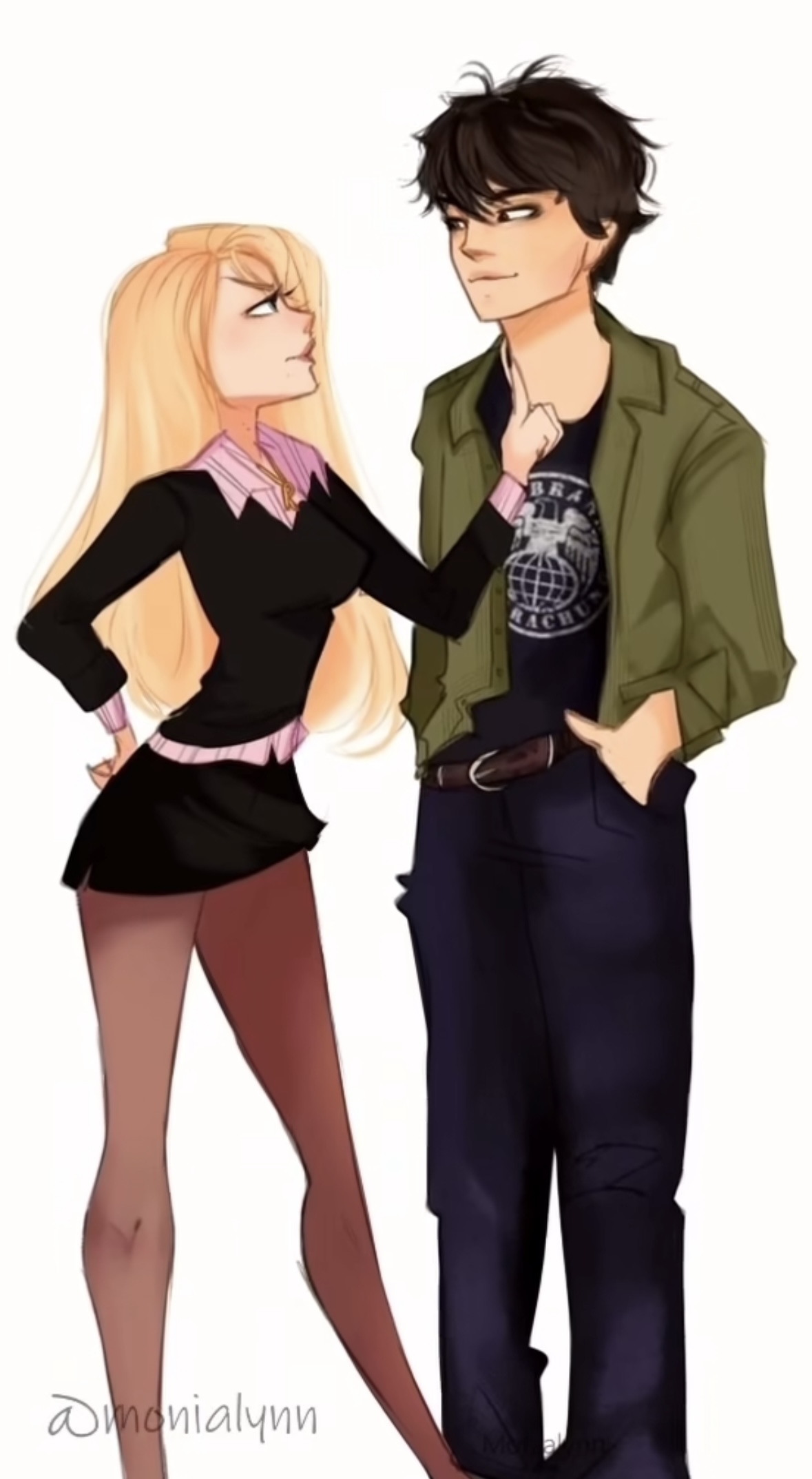
The fan art that kickstarted the Rodrick Heffley x Regina George fandom. | Photo from @monia_lynn on Instagram
Nov. 5, 2025 | Jaylin Emond-Hardin | Entertainment Editor
The term “crackship” became popularized in the early days of Tumblr when users began to ship characters from two completely different fandoms. Typically, these crackships arose when two characters simply made sense together, but sometimes others would be the most out-of-left-field pairings anyone had ever seen.
Crackships were especially big in the 2010s when the fanmade “Rise of the Brave, Tangled, Frozen Dragons” crossover — involving characters from “Rise of the Guardians,” “Brave,” “Tangled,” “Frozen” and “How to Train Your Dragon” — blew up on Tumblr. Suddenly, everyone was involved in crackships not only from different movies, but from completely different animation studios.
The most popular ships among this crossover list were Jack Frost x Elsa, Jack Frost x Rapunzel, Hiccup x Merida and Hiccup x Rapunzel. I was a hardcore ‘Jelsa’ — the ship name for Jack Frost x Elsa — believer in middle school. Another popular crackship from this era that was not part of that crossover was Rapunzel x Mavis Dracula, which ignited a slew of memes about the pairing.
Crackships are still alive and well today. Typically, they live on Tumblr, but in recent weeks, one specific ship has taken the internet by storm: Rodrick Heffley x Regina George.
Yes. That’s right. Rodrick from “Diary of a Wimpy Kid” and Regina from “Mean Girls.”
The ship — now dubbed “Rodrina” — originated in early October when Instagram user @monia_lynn shared a reel of their fan art of the pairing, with the caption “I might be a genius.”
This crackship has blossomed into even more fan art, ship edits and Halloween costumes. Fans have been quick with this ship, and edits are slowly making their way onto people’s explore pages — typically paired with “Sk8r Boi” or “Girlfriend” by Avril Lavigne or “Dirty Little Secret” by The All-American Rejects. The post on @monia_lynn’s reel featured “Girlfriend.”
With this pairing gaining traction the way it is, other crackships are coming out of the woodwork. Jelsa is once again becoming prominent on social media spaces, while people have also begun to ship Cinderella and Sukuna from “Jujutsu Kaisen,” as well as Elphaba Thropp from “Wicked” and Colonel Miles Quartich from “Avatar.”
Honestly? I’m glad people are beginning to share their crackships again. It reminds me of the 2014 era of Tumblr, when people were fighting over whether Jack Frost belonged with Elsa or Rapunzel, the Avengers lived in Stark Tower as roommates and everyone was obsessed with rose gold and Starbucks. It’s nostalgia. Plain and simple.
Plus, seeing people be comfortable with their weirdness openly and freely brings me a certain feeling of joy. The internet is slowly moving away from the aesthetic, minimalist posts and moving back towards whimsy and accepting one’s own quirkiness. I welcome it.
Rodrina edits and fan art are all over the internet currently, feeding fans with the “mean girl x teenage dirtbag” pairing that everyone always seems to crave.
If this wave of whimsy and crackships sticks around, I know many people — including myself — will be happy. After all, who can resist pairings that might never canonically meet but seem to work so well?
Promotional poster for “A Knight of the Seven Kingdoms” featuring Dunk and Egg. | Photo from @gameofthrones on Instagram
Oct 29 2025 | Jaylin Emond-Hardin | Entertainment Editor
When the last episode of “A Game of Thrones” aired in May of 2019, nobody thought they would return to the world of Westeros. But then “House of the Dragon” began filming in April 2021, and fans were thrown back into the drama that was the Targaryen Dynasty — with Teams Green and Black fighting for control over the Iron Throne.
Now, over six years since “A Game of Thrones” last aired, fans are set to enter the Seven Kingdoms once again, with Ser Duncan the Tall as the primary protagonist.
Set 100 years after the height of the Targaryen Dynasty and 90 years before Robert’s Rebellion, “A Knight of the Seven Kingdoms” adapts author George R.R. Martin’s novellas “Tales of Dunk and Egg.” These novellas follow the titular knight Dunk — who is eventually renamed Ser Duncan the Tall in the first novella — and his squire, Egg, as they traverse the Seven Kingdoms.
“A Knight of the Seven Kingdoms” was first announced in April of 2023, though the spinoff’s cast wasn’t announced until Oct. 9, 2025 — the same day the trailer debuted at New York Comic Con. Peter Claffey — known for “Bad Things” and “Vikings: Valhalla” — is set to play Ser Duncan the Tall, while Dexter Sol Ansell — whose debut role was young Coriolanus Snow in “The Hunger Games: A Ballad of Songbirds and Snakes” — will play his squire Egg.
“A Knight of the Seven Kingdoms” is set to premiere Jan. 8, 2025, with six 30-minute episodes releasing every Sunday after.
With this spinoff series releasing in January, however, it pushes back Season 3 of “House of the Dragon,” which fans have been anticipating since Season 2’s anticlimactic end in August of 2024. Season 2, which was meant to feature the Battle of Gullet, had only eight episodes, two fewer than the previous season. Season 3 will follow the same eight-episode format.
Originally supposed to release in early 2026, Season 3 of “House of the Dragon” has now moved to an April or June premiere date — based primarily on fan speculation. The production crew has yet to announce an official release date.
“House of the Dragon” is based on Martin’s prequel “Fire and Blood,” which tells of the Targaryen civil war sparked when Queen Alicent Hightower usurped the throne from her stepdaughter, Rhaenyra, in favor of her son Aegon.
The series has already been greenlit for its fourth and final season, though there is no set date for filming to begin.
Whether “A Knight of the Seven Kingdoms” will be approved for a second season is entirely up to the viewership numbers, but a majority of the franchise’s fans are excited for this new series. After all, with the same production levels seen in “House of the Dragon,” this series could very well be one of the best to come from Martin’s universe.
“House of the Dragon” Season 3 and “A Knight of the Seven Kingdoms” will be streaming on HBO Max — the home of “A Game of Thrones” and Seasons 1 and 2 of “House of the Dragon” — upon their release.
The cover of Malice by Heather Walter. | Photo from @caro.library on Instagram
Oct 22 2025 | Belen Ponce Leal | Lifestyle Editor
As university students, time isn’t something that is abundantly available to us. Whether it’s assignments, clubs, sports, work or even just general tiredness, we all have things to do while at Western. However, everyone needs a break from reading that thick textbook sitting on the table. Should time be available, I recommend reading literature of one’s own preference for at least an hour a day. In case the endless amount of books available on the market are overwhelming, I’ve compiled a list below for anyone interested.
“For Whom the Belle Tolls” by Jaysea Lynn (Adult) — Lily isn’t the type of person to not fight back. So when her cancer diagnosis and financial status lets her know she won’t be able to put up much of a fight, she resigns herself to prepare for death. Yet, when it comes, it ends up being much more fantastical than she ever could have thought it would be. The Afterlife is vast, with many different parts and creatures to it. Despite growing up terrified of it, she finds herself drawn to Hell. Noticing the amount of souls that overwhelm the demons working there, she offers to run a Hellp desk — pun intended. Years of customer service prepared her for this, but there is a positive to this job: she can talk back. Filled with puns, humor and a bit of demonic romance, Lily is determined to put the life in afterlife.
Content warning: this book contains adult themes, suicidal thoughts, sexual content, sexual abuse, abuse, foster care abuse, domestic abuse, religious trauma and graphic descriptions.
“Malice” by Heather Walter (Adult) — The story of this book is a bit of a twist or retelling of the story Sleeping Beauty. The kingdom of Briar has a long history tied to magic. Magical beings, known as the Graces, can provide various forms of magic for those who are willing to pay for the spells. The plot of the book revolves around Alyce, the dark Grace. In the kingdom of Briar, she is seen as the outcast and the source of the curse that is going to claim Princess Aurora’s life should she not find the person who can break it in time. Yet, Aurora doesn’t treat her like the monster Alyce is believed to be. With fantasy elements, tragedy, magic and passion, Malice and its sequel Misrule tell the tale of these two women who will be forever tied to each other. Content warning: this book contains sexual content and potentially graphic descriptions.
“The Falling Between Us” by Ash Parsons (Teen) — Stardom can be both a blessing and a curse. That’s something that Roxanne Stewart learns as she watches her boyfriend Joshua Blackbird become skyrocketed into the world of being a celebrity overnight. While the money and fame is exciting, it doesn’t take too long to realize the heavy toll that comes with being famous. Constant paparazzi, managers who push limits, crazy fans and even family members all cling to Joshua. Then, the famous star suddenly disappears in the middle of the night, his body never recovered. No one knows if it was murder, an accident or suicide, but Roxanne is determined to figure out what happened to him.
Content warning: this book discusses themes of drugs, trauma, suicide and suicidal thoughts.
“Bird by Bird” by Anne Lamott (Teens+) — Written by Anne Lamott, a New York Times bestselling author, “Bird by Bird” is a book aimed at helping readers improve their writing skills, knowledge that she learned from her father who was also a writer. Lamott’s musings range from providing helpful tips for accepting criticism of work to telling the story of the time she got super drunk and yelled at her publishing manager for not recognizing how good of a book she wrote was. The book is a mix of advice on being a better writer, lifestyle recommendations and even just confessions. While this book may be aimed more at English majors, anyone who is interested in reading a witty book that provides good information on bettering one’s writing, which is a skill all university students will need, should enjoy it. I highly recommend this book.
“Maybe One Day” by Melissa Kantor (Teens+) — Zoe and Olivia are best friends. Both skilled ballet dancers, they were sadly kicked out of their dance school. However, that ends up being the least of Olivia’s problems when her “cold” turns out to be an aggressive form of leukemia. Zoe is determined to help Olivia through the aggressive treatment, putting on a brave face when she herself is mortified. Despite the ups and downs, like Zoe starting to fall for Calvin, Olivia’s crush, Zoe is determined to move forward knowing that everything will go back to normal after Olivia survives, as the alternative is too terrifying to think of.
Content warning: this book is depressing. A warning has been given.
“Maus” by Art Spiegelman (Teens+) — This graphic novel depicts the strained relationship between the author, known as Artie in the comic, and his aging father Vladek, a Jewish Holocaust survivor. The story is split in two different frames, one depicting Artie and his father speaking in the present and the other showing what was happening as Vladek explains the events. With the visceral art style, Jewish people drawn as mice and Nazis as menacing cats, and the tragedy of such terrible events in history, this book does a chilling job portraying the horrors experienced by Jewish people in World War II. It does have a sequel, which I highly recommend as well because it finishes off the story completely.
Content warning: this book discusses World War II, the Holocaust, torture, graphic violence, death, suicide and racism.
“Things Fall Apart” by Chinua Achebe (Teens+) — “Things Fall Apart” is a classic narrative about the effects colonialism had on small remote villages in Africa. The novel follows Okonkwo, a fictional Igbo warrior of Umuofia who is well known for being one of the most powerful, honorable and masculine warriors throughout the village. As the reader continues to read about him, the effects of colonialism begin showing up in the latter half of the book. It begins to escalate quickly as Okonkwo struggles with the idea that the traditions he grew up with are slowly being lost to this new political and religious power beginning to influence his people.
Putting together this list was more difficult than I thought it would be. Books are one of my favorite things in the world. I love reading stories that completely immerse me, whether it be an informational book on writing or a graphic novel depicting one of the worst times in human history or a spicy demonic romance, I love a good read. I hope that this list at least tempts someone to read something that isn’t a textbook.