


























To request accessibility assistance
Contact the Office of Disability Services

call(503) 838-8250 VTTY or e-mail ods@wou.edu
after hours assistance and hints and tips


Skip to main content
The Office of Disability Services - request assistance Western Oregon University: homepage link  
WOU home
index / search
 

Western Oregon University
345 N. Monmouth Ave.
Monmouth, OR 97361
503-838-8000 (V/TTY)
877-877-1593 (Toll-free)


webmaster@wou.edu

Get directions

Complete contact information

Department of Anthropology

Spring Term Courses 2008
Team of ethnographers returns from field school in northern Mexico story & photos by Danielle Kuehnel
First Ethnographic Field School Off to Promising Start story & photos by Danielle Kuehnel
About Anthropology and the Department
Contact Information


About Anthropology and the Department


Anthropology is the study of humankind. It incorporates both scientific and humanistic approaches to explain and understand human behavior and cultural diversity. By making the strange familiar and the familiar strange, anthropologists aim to promote intercultural understanding and respect between people.


The Department of Anthropology at Western Oregon University offers a comprehensive training in anthropology, equipping students with a set of skills that allows them to critically examine and understand human behavior and cultural diversity in their own and other societies, skills that are increasingly important in today's globalizing world. In addition to introductory courses in all four sub-fields of anthropology - archaeology, linguistic, physical, and sociocultural anthropology - the department offers an exceptionally varied program due to the diverse teaching interests of the faculty, which range from Northwest Indian Cultures to Environmental Anthropology to the Anthropology of Africa. Majors in our program conduct independent research for their Senior Project. Working closely with faculty, students design research, conduct fieldwork, and write it up in a senior thesis. We encourage our students to do research abroad. In previous years students have gone to Europe, the Middle East and Africa.


The anthropological training students receive and the skills they develop - critical and clear analytical thinking, independent research, inter-cultural communication - prepare students for a wide range of professional careers in research, policy, and consultancy, as well as graduate studies.


COURSES OFFERED WINTER 2008

Note: ANTH 213-216 cover the four subfields of anthropology and may be taken in any order. Any three may be used to satisfy the 12 cr. Social Science LACC requirement.

ANTH 213D Language and Culture (4)
MW 1000-1150 in HSS 107
Dr. Doug Smith

Introduces the anthropological study of language and communicative behavior. Examines the basic concepts underlying linguistic analysis and reviews anthropological studies of conversational practice and social variation in language and speech. Our central concern is to understand the complex interplay between language, culture and social relations.

ANTH 214D Physical Anthropology (4)
TR 1400-1550 in AA 101
Mr. Jordan Hofer

Biological aspects of the human experience, especially interactions between biology and culture. A review of the modern synthetic theory of evolution; fossil evidence of early primate and hominid populations; the mechanisms of heredity, human variation and adaptation; and the development of culture in human evolution. Attention throughout the course to the nature of science as a cultural construct.

ANTH 215D Archaeology (4)
MW 800-950 in HSS 111
Dr. Robin Smith

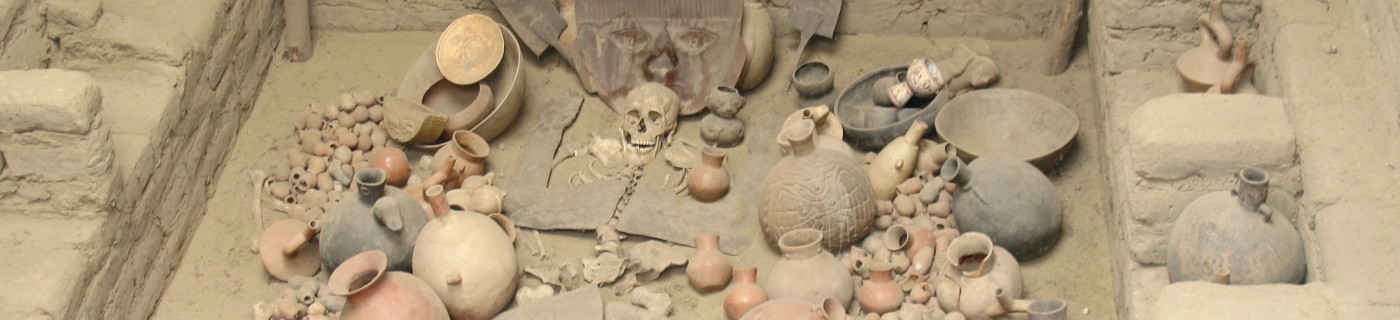
Understanding the human past through the study of material remains. A review of the methods used to collect and analyze data and the theories used to construct chronologies, reconstruct ancient life styles and explain the processes of cultural evolution. Examines some of the major contributions of archaeology and discusses the relevance of archaeology to everyday life.

ANTH 216D Cultural Anthropology (4)
TR 1400-1550 in HSS 111
Dr. Isidore Lobnibe

Examines the concepts and methods of cultural anthropology through ethnographic case studies of people around the world. Focuses on culture, or the learned beliefs, behaviors, and symbols unique to each society.

ANTH 325D Ethnographic Methods (4)
MW 1000-1150 in HSS 111
Dr. Isidore Lobnibe

Prepares students to conduct anthropological research in a variety of settings at home and abroad. Teaches students an array of anthropological research methods including participant observation, structured and unstructured interviews and background research of anthropological literature.

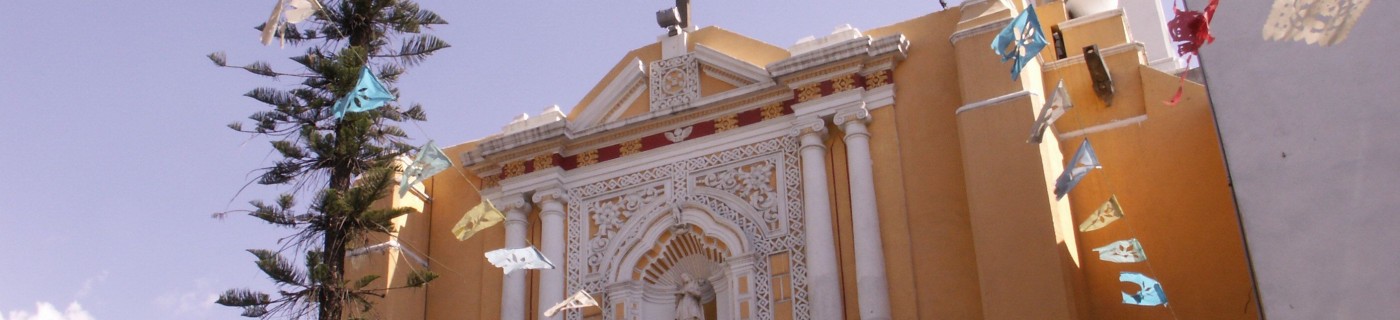
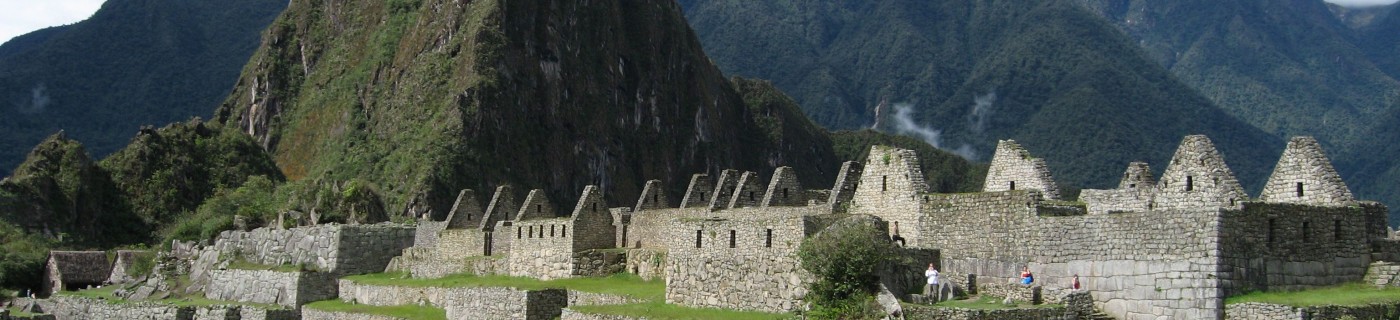
ANTH 332D Latin America (4)
TR 1200-1350 in HSS 237
Dr. Doug Smith

Provides an introduction to major aspects of Latin American cultures. Concentrates on issues of cultural contact, conflict, and accommodation by examining racial, ethnic, national, and gender identities, religion, the environment, human rights, and globalization. Explores indigenous, European, and African contributions to the sociocultural fabric of the region; geographic emphasis will fall on Mexico, Peru, Ecuador, and Brazil.

ANTH 360D Museum Studies (4)
T 1600-1950 in HSS 107
Ms. Keni Sturgeon

Covers principles and practices of museum work. Topics include the role of museums in the community, collections management, conservation of objects and artifacts, program development, exhibit development, marketing, and fund raising. Laboratory experience will be offered through the Jensen Arctic Museum on campus.

ANTH 396D Environmental Anthropology (4)
TR 1000-1150 in HSS 110B
Dr. Doug Smith

Introduces students to the field of environmental anthropology, which explores relationships between culture, society, and the physical aspects of environments across the globe. The course examines major theories in ecological research in anthropology, then moves to a critical exploration of significant issues in the field today, such as religion and resource use, indigenous environmental knowledge, economic development, conservation, cultural and human rights, and environmental social movements. Readings cover a variety of environmental contexts and social groups.

ANTH 482D Historical Archaeology (4)
MW 1200-1350 in HSS 111
Dr. Robin Smith

Using both documents and material remains from archaeological sites we explore the recent past. Our focus is on the transformations that have taken place in cultures around the world since the Age of Exploration brought indigenous peoples and expanding cultures together in a variety of circumstances. We will pay special attention to issues such as representation of ethnicity, development of class differences and changing gender roles.

ANTH 494D Northwest Indian Cultures (4)
TR 1400-1550 in HSS 111
Dr. Robin Smith

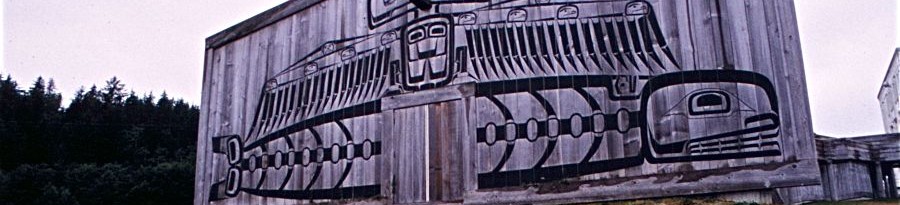
You are invited to meet the original peoples of the Northwestern part of North America, including the Northwest Coast, the Columbia-Fraser Plateau and the Great Basin. Using autobiographies and biographies as our entry point, we explore the stories of individuals and cultures with deep roots in the varied landscapes of our region.

For more information about the program contact:
Robin Smith, Chair
Anthropology Department
Maaske 202
Western Oregon University
Monmouth, OR 97361
(503) 838-8372
smithr@wou.edu
  Department of Anthropology Western Oregon University
345 N. Monmouth Ave.
Monmouth, OR 97361
503-838-8357
or e-mail
smithr@wou.edu
Last Updated: Wednesday, 07 May, 2008 07:18 PM


Located in the heart of Oregon’s lush Willamette Valley, Western Oregon University is the oldest institution in the Oregon University system with an award-winning campus that blends welcoming traditional features with multimedia classrooms, wireless web access and a state-of-the-art library. WOU is home to the nationally-renowned Teaching Research Institute, the Regional Resource Center on Deafness and the Rainbow Dance Theatre with approximately two-thirds of its students in the College of Liberal Arts and Sciences and the rest in the College of Education.