
PRINTMAKING
“What is printmaking, anyway?”
That’s a question we hear a lot from new students
offer printmaking, you may not have had the opportunity to learn about it until now. Don’t let that stop you from exploring the wide range of printmaking techniques offered at WOU. |
Non-Toxic Printmaking at WOU The WOU printmaking studio is one of the few printmaking departments nationwide that has embraced innovative non-toxic methods in all areas of printmaking: screen printing, lithography, intaglio (etching), relief, and monotypes.
Innovations in Printmaking
Although printmaking has been around for thousands of years, until very recently it has been a hazardous pursuit. Exciting developments have surfaced recently that have made printmaking safer, more economical, and environmentally friendly without compromising the rich and expressive quality of the printed image itself.


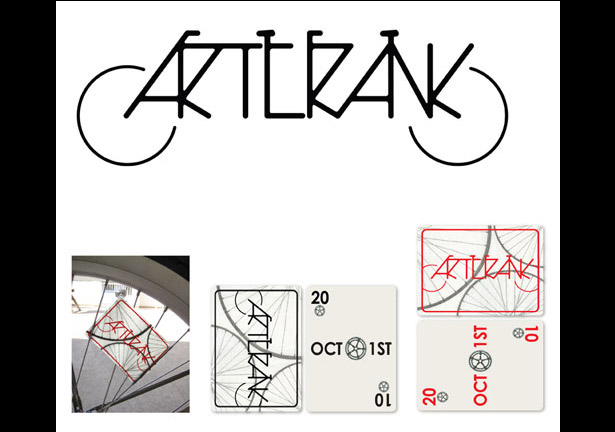
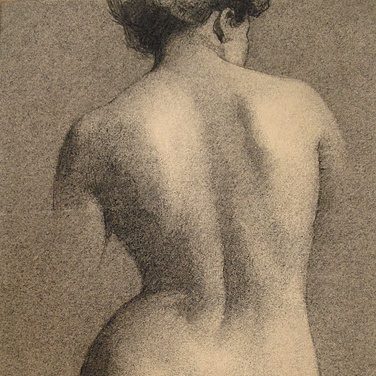
Above prints were created by students in the printmaking studio courses.
Here are some of the innovative practices WOU has adopted in our non-toxic printmaking studio:
Edinburgh Etch: This method uses ferric chloride, a corrosive salt, in place of nitric acid to etch copper or zinc plates. Ferric chloride releases no poisonous fumes or hydrogen gas, is non-combustible, and will not damage internal organs or the central nervous system like nitric acid can. Ferric chloride is mixed with citric acid to speed up the etching process and keep the metal particles in suspension so that they won’t settle to the bottom of the etched lines as they would if submerged in plain ferric chloride solution. The diluted solution will not harm the septic system or ground water quality.
ImagOn film: DuPont developed this polymer film for the electronic circuitry industry. Printmakers have adopted the film for use in intaglio printmaking. The film is adhered to a printing plate with water, exposed to UV light, and developed with common water softener. The plate is cured in sunlight and then inked and printed in the regular intaglio manner. The plate is reusable: simply remove the film from the plate with a strong solution of water softener or diluted ammonia.
Polyester Plate Lithography: This form of lithography is non-toxic, unlike traditional stone lithography. Plates are lightweight, durable, and inexpensive. Polyester plates eliminate the need for rare and costly limestone printing blocks. They may be drawn on by hand or run through a copier or laser printer. Plates no longer require a nitric acid etch, petroleum-based Lithotine solvent, asphaltum, or lung-threatening rosin and talc. These plates may be printed on a small intaglio press, making them more practical for the home studio. (Traditional lithography presses weigh about 2,400 pounds and are four times as expensive as intaglio presses.)Vertical etching tanks: Unlike a traditional flat etching tray, which takes up most of the counter and permits the etchant to evaporate quickly, the vertical tank has a small footprint and has a lid that keeps in fumes and minimizes evaporation. The vertical tank can also hold more copper plates in the etchant at one time.
Acrylic Aquatint Solutions: This liquid replaces the potentially explosive rosin particles used in the traditional aquatint method. A non-toxic, acrylic-based liquid is sprayed on the plate with an airbrush in a vented booth. This acrylic spray is acid resistant, yet may be removed from the plate with soda ash or diluted ammonia.


“What’s the difference between a fine art print and a poster?” Hand-pulled, fine art prints are original art, just as paintings and drawings are considered original art. The printmaker first makes a plate--carves a design into a block of wood or scratches an image into a copper plate, for instance. The artist then inks the plate and prints it onto paper. It is possible to print multiples images from a single plate, but each print is considered an original piece of art because it is inked and printed by hand and each print is slightly different from the others in the series.
Posters (offset lithographs), on the other hand, are commercial reproductions of artwork (usually paintings or drawings) that have been scanned and printed in the same way that magazines and newspapers are printed. So, those Thomas Kinkade “limited edition offset lithographs” that you see at the mall are NOT hand-pulled original prints, but merely overpriced posters printed on good quality paper. We don’t teach that kind of printing here.
Course Offerings note goes to general art department courses
A Safer Printmaking Program
We’ve reduced hazards without compromising the breadth or richness of our students’ experience in printmaking. Here are some of the health conscious changes we’ve made:
- Replaced oil-based intaglio ink with soy-based inks that can be cleaned up with soapy water.
- Use vegetable oil for cleaning up oil-based lithography ink (instead of toxic paint thinners).
- Replaced nitric acid with safer ferric chloride (a salt) for intaglio class.
- Eliminated the potentially explosive aquatint rosin used for intaglio class and replaced it with a ventilated acrylic aquatint airbrush station.
- Use water-based inks and liquid stencils for screenprinting instead of oil-based ones.
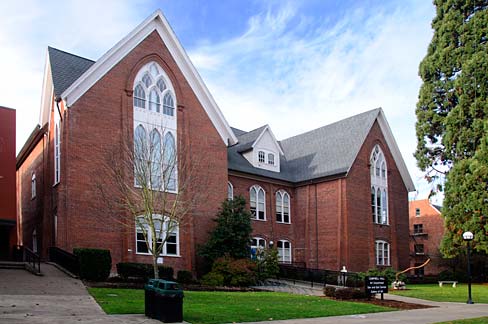
Our Studio and Equipment The printmaking studio at WOU is an inviting space. Tall arched windows bathe the room in natural light. High ceilings, open brickwork, and color-balanced lighting make it a place in which you’ll enjoy working.
The studio is well equipped with high-quality presses and printmaking equipment.

Presses:
A large Wheelan™press is used to print relief blocks, polyester plate lithographs, intaglio plates and monotypes.
A Charles Brand™ press is available for printing lithographs.
Other Equipment:
- An Olite™ Vacuum Exposure Unit is used for transferring computer-generated, hand-drawn, or photographic images onto serigraphy screens and intaglio plates.
- Flat files and cabinets are available for student storage. A large drying rack and a stack of pressing boards provide a lot of space for drying prints.
- Our tabletop plate shear cuts small copper plates. A full-sized plate shear is located in a nearby studio. Light tables and mat cutters are also available for student use.
- We have high-quality rollers and brayers of all sizes. Professional grade tools are loaned to students in the intro level courses to help minimize out-of-pocket expenses. Blotter, inks, and many miscellaneous supplies are provided through student fees.
- A ventilated aquatint spray booth maintains a safe environment and doubles as a darkroom booth for preparing light sensitive screens and plates.
About the Professor
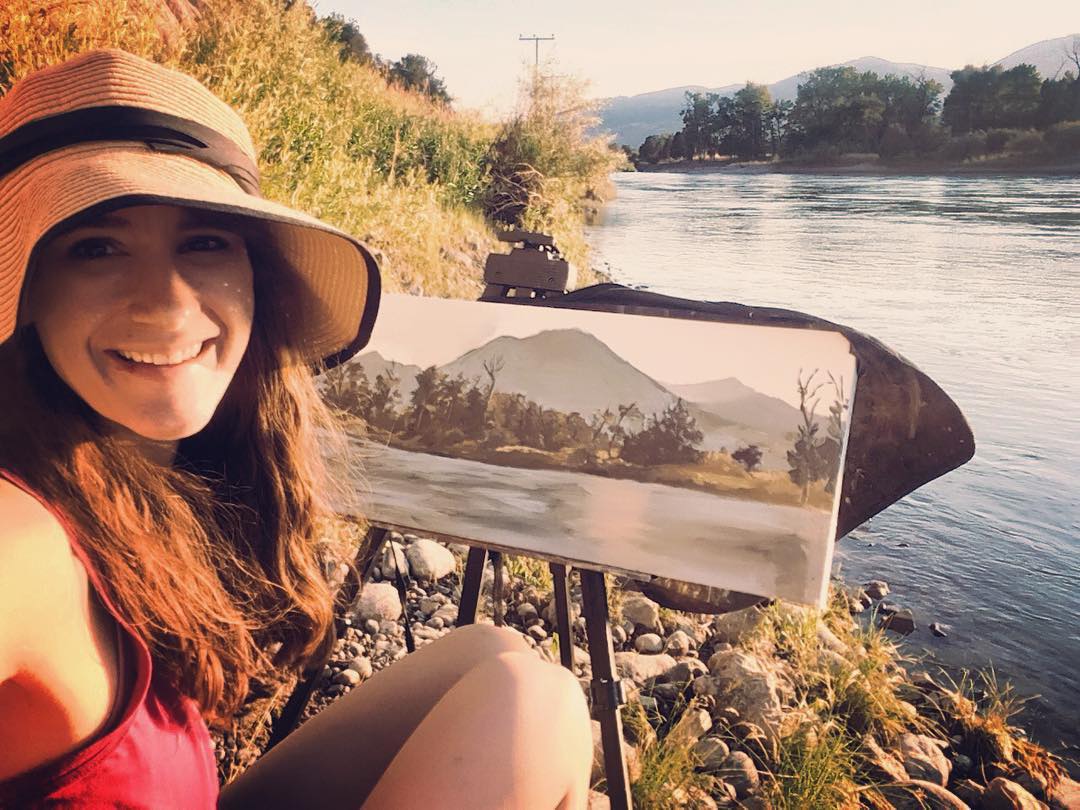
Rebecca McCannell earned a B.F.A. in Drawing and Printmaking from Aquinas College, GrandRapids, Michigan. She completed a M.F.A. in Drawing and Printmaking at Northern Illinois University, DeKalb, Illinois. She has been teaching printmaking at WOU since 1995.
Rebecca is an avid proponent of non-toxic printmaking. In addition to her university course work, she has taught summer printmaking workshops on the Oregon Coast at Sitka Center for Art and Ecology and has taught drawing to high school artists at Oregon State University’s JumpstART program for several summers.
Rebecca is an artist member of Print Arts Northwest. She has exhibited prints throughout the U.S.A, as well as in China, Japan, England, Scotland, Australia and New Zealand. |
|
| Four examples of professor McCannell's work |
![]() ![]() ![]() |