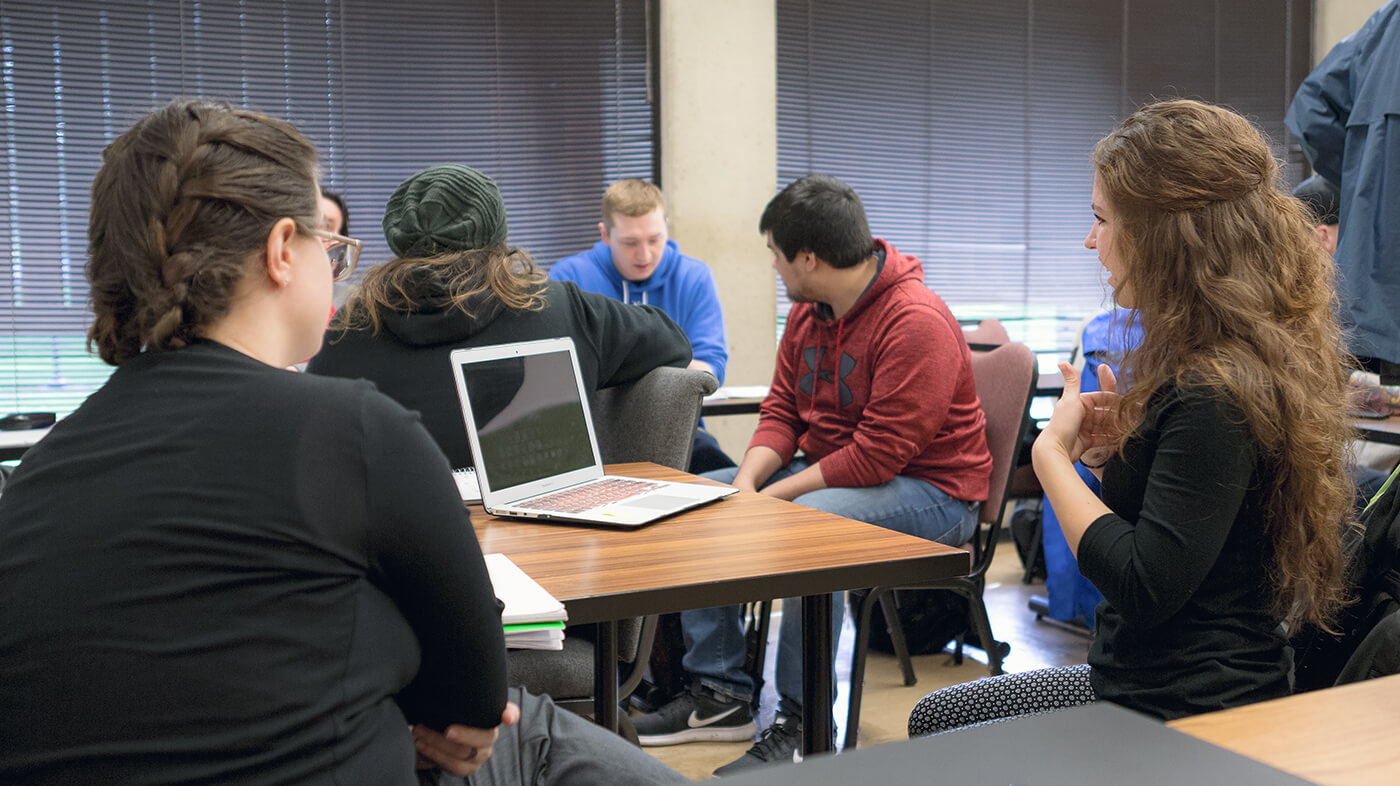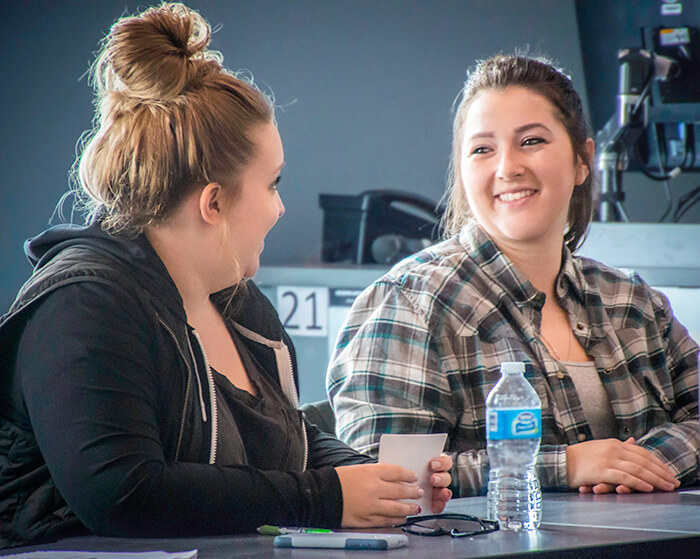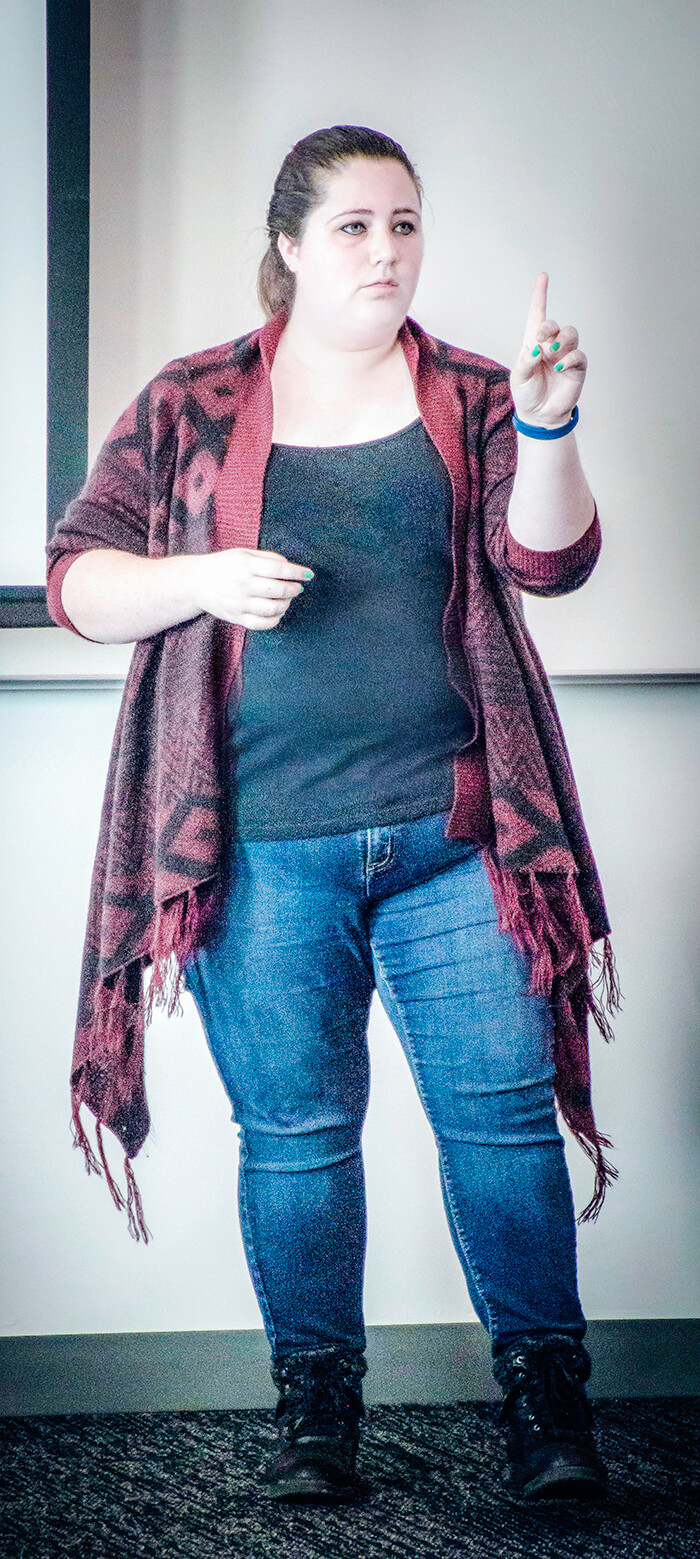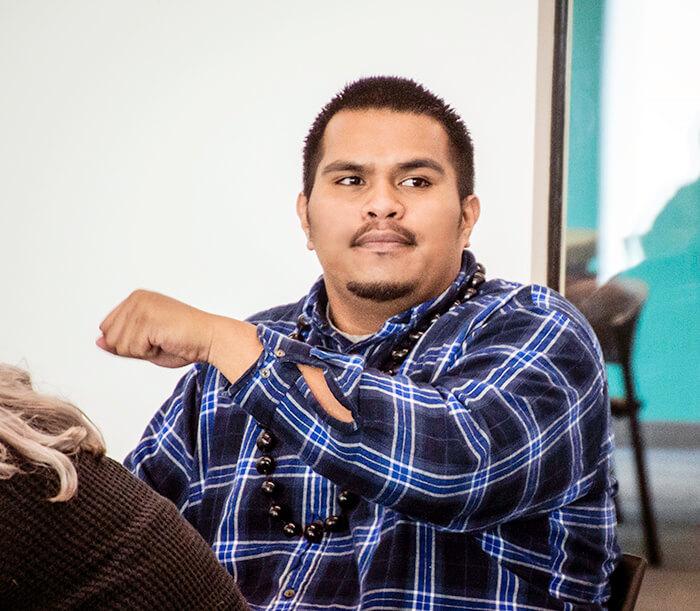

What is it like to experience mainstream postsecondary education as a student who is deaf and a native user of American Sign Language? How about a hard-of-hearing student who uses an assistive listeing device to access the environment? What about a late deafened student who uses realtime captioning as her only link to classroom discourse? What challenges do these students face?
Join our satellite teleclass to gain first-hand insights on the diversity of students and their thoughts and feelings about postsecondary education in the mainstream. Learn ways that postsecondary institutions can support or hinder the educational experiences of deaf and hard-of-hearing students that ultimately impact their scholastic success.
Registrations are being accepted now. For more information, or to locate the downlink site nearest you, contact:
Allisun Kale
Western Region Outreach Center & Consortia
National Center on Deafness
California State University, Northridge
818-677-2611 (v/tty) or allisun.kale@csun.edu
Hosted by the
Western
Region Outreach Center and Consortia
National Center on Deafness
California State University, Northridge
Cal State Northridge's Western Region Outreach Center & Consortia (WROCC), a project of the National Center on Deafness (NCOD) is shooting for the stars by hosting a live national satellite teleclass for faculty, staff and others who work with students who are deaf and hard of hearing on Thursday, September 30, 1999.
A panel of students from diverse educational and audiological backgrounds from around the country will share with viewers their experiences and perceptions of being mainstreamed in postsecondary educational settings. "The perceptions of students often differ from those of the institution," said a teleclass organizer. "Experiential stories from those who live and learn in the trenches using support services will provide valuable insights and ideas to improve the college experience for all students." The class is designed to give faculty and others information on ways that postsecondary institutions can support or hinder the educational experiences of deaf and hard-of-hearing students and ultimately impact their scholastic success.
"Diverse Students, Diverse Stories: Perspectives on Postsecondary Access Issues from Students Who Are Deaf and Hard of Hearing" will feature a variety strategies from students on their experiences with integration into mainstream classrooms. Examples of topics include classroom participation, accommodations, using sign language interpreters or realtime captioning, extracurricular participation and peer/faculty relationships.
Lauren Teruel, a student who is deaf, will serve as moderator. Lauren has logged hundreds of hours of classroom experiences at Cal State Northridge, using services provided by CSUN's National Center on Deafness. Cal State Northridge in partnership with the National Center on Deafness has mainstreamed thousands of deaf and hard-of-hearing students into university classes in the past 34 years.
The teleclass is a joint project of the Postsecondary Education Programs Network (PEPNet). WROCC is one of four regional centers of PEPNet, a federally-funded consortium that supports postsecondary institutions serving students who are deaf and hard of hearing. The three other regional centers are: the Midwest Center for Postsecondary Outreach (MCPO), St. Paul, MN; the Northeast Technical Assistance Center (NETAC), Rochester, NY; and the Postsecondary Education Consortium (PEC), Knoxville, TN.
The teleclass will be broadcast live from noon to 2:00 p.m. (P.S.T) from Cal State Northridge. It can be viewed across the nation as follows: 1:00 - 3:00 p.m. Mountain; 2:00 - 4:00 p.m. Central; and 3:00 - 5:00 Eastern. The program will be interpreted and open captioned.
Sites are encouraged to downlink the teleclass
for faculty, campus staff, interested others and students. For registration
materials, a listing by state of registered
downlink sites or more information, contact WROCC at 888.684.4695, 818.677.4899
fax, wrocc@csun.edu or
see WROCC's web page at http://ncod.csun.edu/
Direct suggestions, comments, and questions about this page to:
Last modified 25AUG1999.